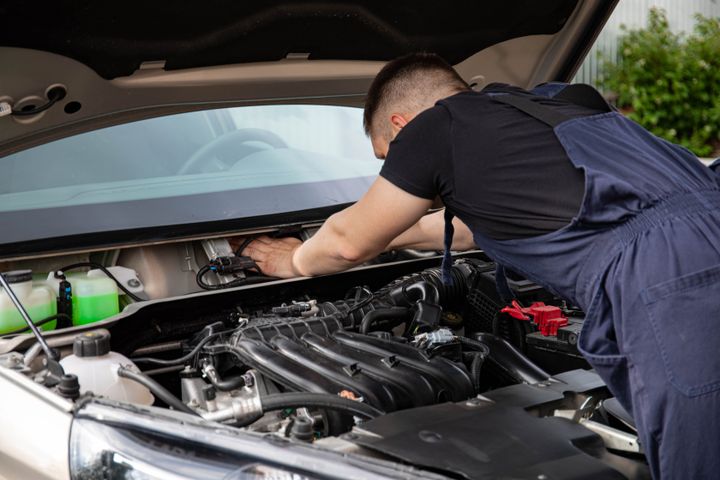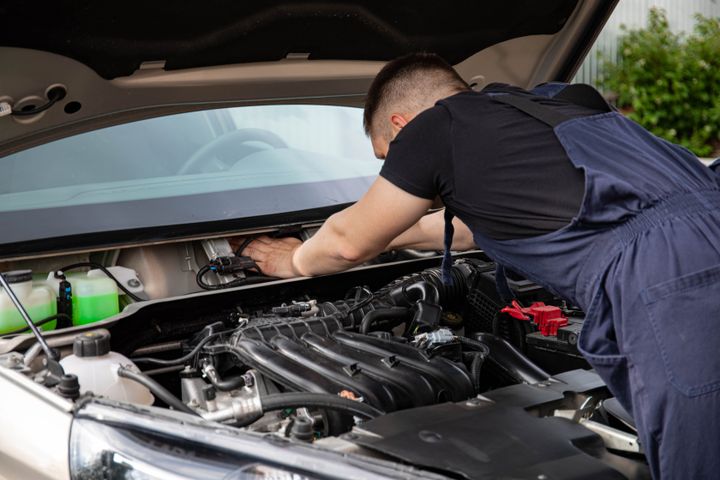
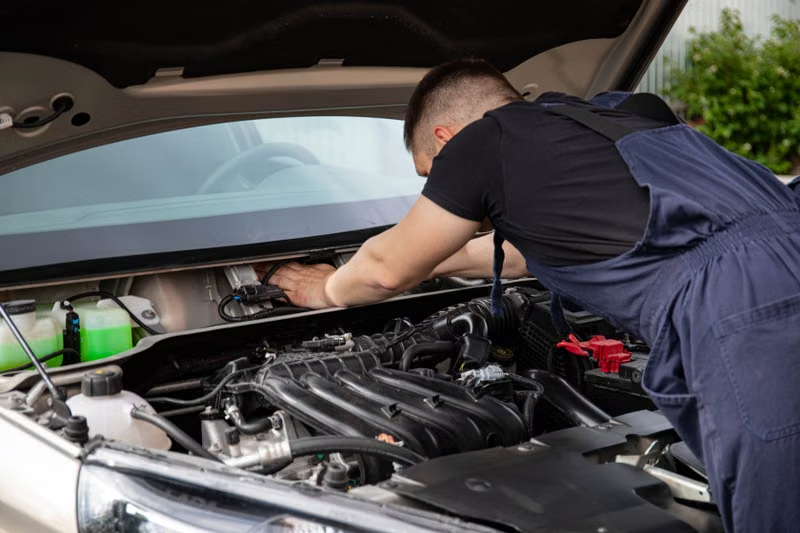
The U1000 error code on Nissan vehicles is a diagnostic trouble code that points toward a communication malfunction within the engine control system. When this code appears, it indicates that the Engine Control Module (ECM) is failing to receive or transmit data through the Controller Area Network (CAN) bus system. This usually triggers the check engine light, and in many instances, drivers notice erratic engine behavior, stalling, or a complete failure to start, making it a critical issue that requires immediate attention.
Understanding the architecture of the communication network is essential for any technician or vehicle owner attempting a repair. The ECM relies on a constant flow of information from various sensors and modules to maintain optimal fuel injection, ignition timing, and emission control. When the link is interrupted, the system reverts to a fail-safe mode or ceases operation entirely. This guide breaks down the diagnostic path from identifying simple ground faults to the more complex requirements of ECM inspection and potential repair.
Addressing this error is not merely about clearing a code with a scanner; it is about ensuring the integrity of the electrical pathways that allow the car's computer to communicate with the rest of the vehicle. By following the structured steps outlined below, you can systematically isolate the source of the interference and restore your Nissan to its proper operating condition.
Understanding the U1000 Diagnostic Trouble Code
What the U1000 Error Means for Your Nissan
In technical terms, the U1000 code refers to a Communication Line error. It specifically suggests that the ECM has detected a disruption in the signal path between itself and another control unit. In most Nissan models, this communication happens via a two-wire serial communication circuit known as the CAN bus. When the electrical resistance in this circuit is too high or the voltage levels are inconsistent, the modules cannot shake hands properly, resulting in the U1000 error.
The implications of this error range from minor sensor inaccuracies to total engine management failure. Because the ECM is the central brain, any loss of data regarding throttle position, mass airflow, or transmission gear status can cause the vehicle to enter limp mode. If the communication line is completely severed, the vehicle may crank but refuse to start, as the immobilizer system or the fuel injection system remains inactive due to the lack of a verified handshake.
Common Symptoms and Initial Diagnostic Signs
Drivers typically notice the U1000 code through a combination of dashboard warnings and performance degradation. The most common sign is the illumination of the Check Engine Light (CEL), often accompanied by the Traction Control or VDC lights. These lights illuminate because the stability control system is also dependent on the same communication bus that is currently malfunctioning.
Beyond dashboard lights, owners frequently report the following symptoms:
- Engine stalling while idling or at low speeds.
- Hesitation during acceleration due to delayed throttle response.
- Intermittent starting issues where the car cranks but fails to fire.
- Automatic transmission shifting errors or failure to shift gears correctly.
- Unexplained battery drain caused by modules remaining awake due to communication failures.
The Role of Ground Wiring in Communication Errors
Why Ground Connections Fail on Nissan Vehicles
The electrical system of a vehicle relies heavily on a clean, low-resistance path to the chassis. Over time, environmental factors such as moisture, road salt, and heat cycles lead to oxidation at connection points. When a ground wire becomes corroded, the electrical resistance increases significantly. Even a small amount of resistance can cause voltage drops that confuse the sensitive signals traveling along the CAN bus, leading to the U1000 code.
Most Nissan vehicles have specific grounding points near the battery, the intake manifold, and the engine block. If these connections lose their physical integrity, the ECM may perceive the resulting signal noise as a communication line fault. Therefore, before condemning an expensive electronic module, it is industry standard practice to perform a comprehensive ground cleaning and inspection.
Step-by-Step Procedure for Cleaning Ground Wires
Cleaning ground terminals is a straightforward process that can resolve a surprising number of electrical gremlins. Start by disconnecting the negative battery terminal to prevent short circuits during the procedure. Locate all primary ground straps connecting the engine to the chassis and the battery to the body.
Follow these steps for effective cleaning:
- Unbolt the ground cable from the chassis or engine block using a socket wrench.
- Inspect the metal surface for rust, paint, or oxidation. Use a wire brush or fine-grit sandpaper to scrub the area until you reach bare, shiny metal.
- Clean the cable lug itself. If the wire strands are corroded, it is best to replace the entire cable.
- Apply a small amount of dielectric grease to the contact point to prevent future oxidation.
- Reconnect the wire securely and ensure the bolt is tightened to the manufacturer's specified torque.
ECM Inspection and Communication Link Testing
How to Test the CAN Bus Communication Lines
Once you have ruled out poor ground connections, the next step involves testing the integrity of the CAN bus wiring. You will need a digital multimeter to measure the resistance between the CAN High and CAN Low lines. With the ignition in the off position and the battery disconnected, the resistance between these two wires should typically measure around 60 ohms.
If the reading is significantly higher or lower, there is an open circuit or a short circuit in the wiring harness. Inspect the harness for signs of physical damage, such as chafing against the engine block or heat damage near the exhaust manifold. Sometimes, rodents may chew on the wiring, creating intermittent connection issues that are difficult to diagnose without a visual inspection of the loom.
When to Consider ECM Repair or Replacement
If the wiring harness is intact and the ground connections are clean, the fault may lie within the ECM itself. Internal circuit board failures can prevent the module from processing communication signals correctly. Before opting for a full replacement, consider professional ECM testing services that specialize in soldering repairs and component-level diagnostics.
Repairing an ECM is often more cost-effective than purchasing a new one, as new units require dealer-level programming to sync with your vehicle's immobilizer and VIN. If you suspect an internal failure, ensure you have checked all power supply fuses to the ECM first, as a blown fuse can mimic an internal hardware failure.
Preventative Maintenance and System Reliability
Managing Electrical Loads and Battery Health
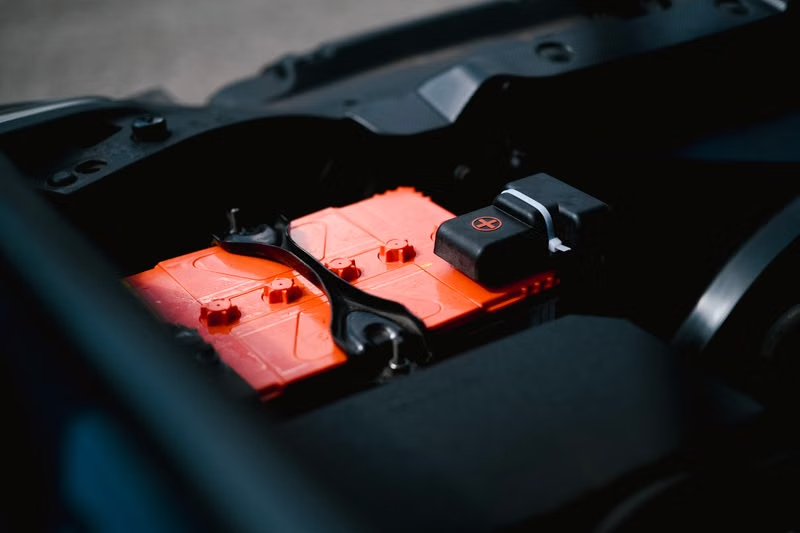
A weak battery is a common silent culprit behind U1000 errors. Modern Nissan electronics are extremely sensitive to voltage fluctuations. When a battery is near the end of its life, it may provide inconsistent voltage during cold starts, causing the ECM to drop its communication handshake. Keeping your battery voltage above 12.6V when off and ensuring the alternator provides a stable 13.5V to 14.5V while running is crucial for network stability.
Long-Term Wiring Protection Strategies
To prevent the recurrence of communication errors, consider using high-quality electrical contact cleaner on all accessible connectors periodically. If you live in an area with high humidity or road salt, applying a light coat of protective spray to exposed wiring harnesses can prevent the copper strands from turning green with oxidation. Routine inspections during oil changes can help you spot frayed wires before they lead to a complete system failure.
Comparison Table: Diagnostic Steps for U1000
| Step | Action | Expected Outcome |
|---|---|---|
| 1 | Battery Voltage Check | Stable 12.6V+ (Engine Off) |
| 2 | Ground Terminal Cleaning | Bare metal contact restored |
| 3 | CAN Bus Resistance Test | Approximately 60 Ohms |
| 4 | Harness Inspection | No chafing or heat damage |
| 5 | ECM Power/Fuse Check | Voltage present at all pins |
Conclusion
Resolving the U1000 Nissan communication line error requires a disciplined, methodical approach that prioritizes physical electrical integrity before assuming component failure. By focusing on cleaning ground points, validating battery health, and inspecting the CAN bus wiring for resistance anomalies, most owners can successfully clear the fault. While internal ECM issues are possible, they should only be addressed after all external variables have been systematically eliminated, ensuring that you do not replace expensive hardware unnecessarily.
Frequently Asked Questions
Can I drive my car with a U1000 error code?
It is generally not recommended. While the car may start, the communication error can cause the transmission to shift improperly or the engine to stall unexpectedly, which poses a significant safety risk in traffic.
Does a U1000 code always mean the ECM is broken?
No. In the vast majority of cases, the U1000 code is caused by poor grounds, low battery voltage, or wiring harness damage rather than a failure of the ECM itself.
How do I reset the U1000 code after repairs?
After performing the repairs, use an OBD-II diagnostic scanner to clear the code. If the code returns immediately, it indicates that the underlying electrical fault has not been fully resolved.
Is the U1000 code specific to Nissan models?
While U-codes are standardized OBD-II codes for communication errors, the U1000 designation is specifically used by Nissan and Infiniti to denote a failure in the CAN communication line.
References
- Nissan Service Manual: CAN Communication System Overview.
- OBD-II Diagnostic Standards and Protocol Definitions (SAE J1979).
- Automotive Electrical Systems: Diagnosis and Troubleshooting Principles.