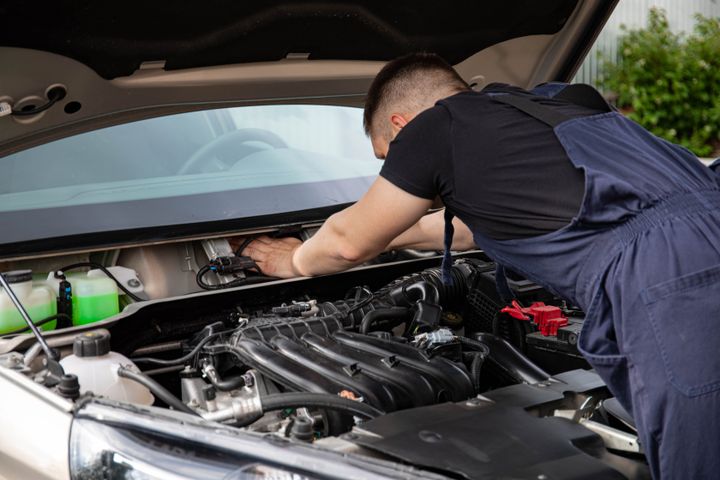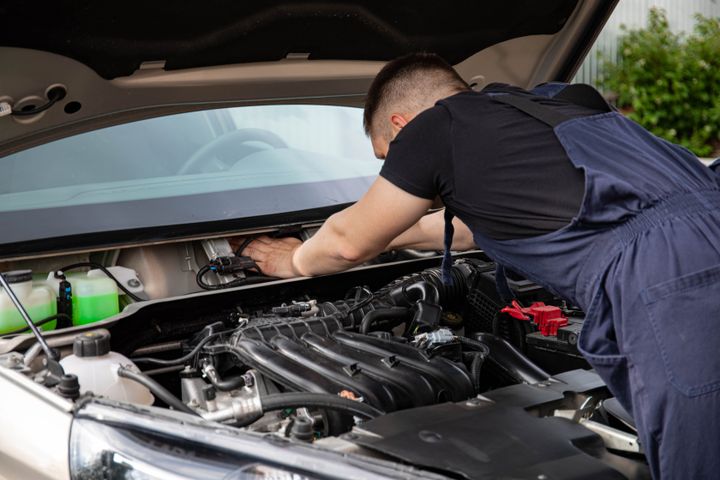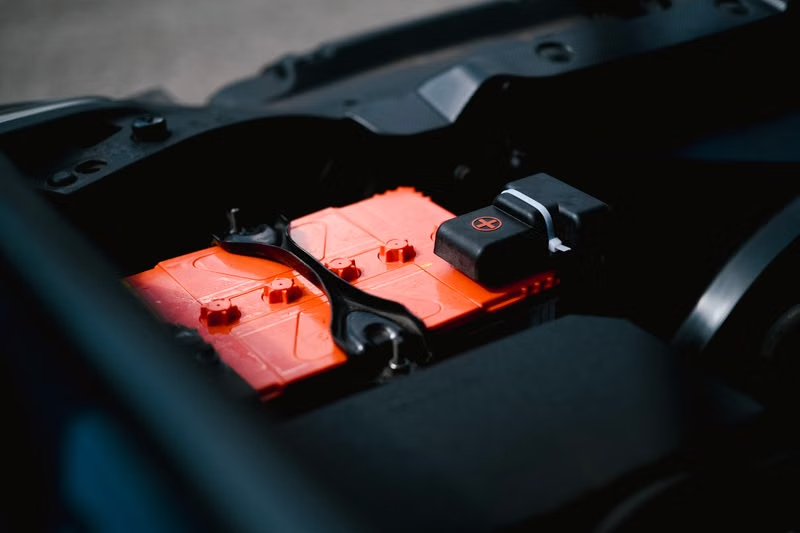
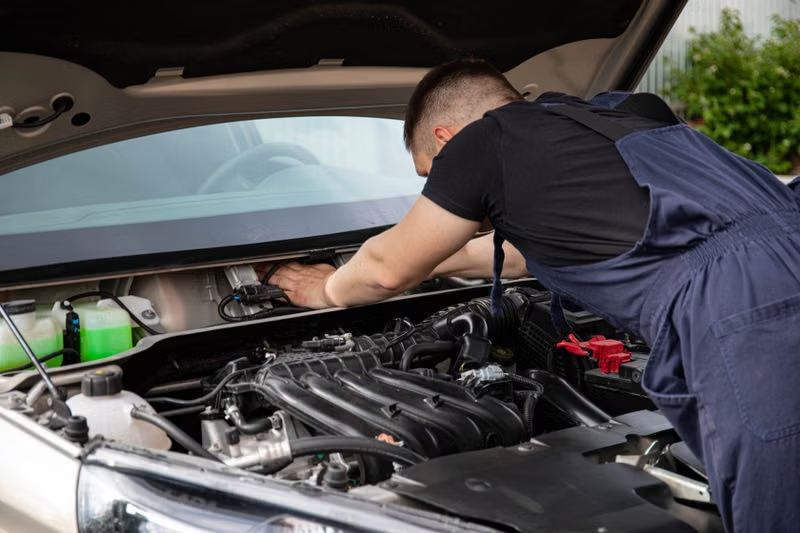
The P0410 Diagnostic Trouble Code indicates a malfunction within the secondary air injection (AIR) system. This system plays a critical role in emissions control by pumping fresh air into the exhaust stream during a cold start. This extra oxygen helps the catalytic converter reach its operating temperature faster and aids in the combustion of unburnt hydrocarbons. When the engine control module detects that the system is not operating within its expected parameters, it triggers the check engine light to alert the driver.
Before rushing to replace expensive components like the air pump or check valves, it is essential to understand that many P0410 issues originate from simple electrical failures. Relays and fuses are the first lines of defense in this system, and their failure can mimic the symptoms of a complete pump failure. This guide serves as a comprehensive checklist to help you isolate the root cause of the malfunction through methodical electrical testing.
Understanding the Secondary Air Injection System Architecture
How the AIR System Operates During Cold Starts
The secondary air injection system relies on a complex coordination between sensors and actuators. When you turn the ignition key on a cold morning, the powertrain control module commands the air pump relay to close, sending voltage to the electric air pump. Simultaneously, the system opens a vacuum-operated or electric solenoid valve, allowing air to bypass the intake and enter the exhaust manifold. This process typically lasts for less than a minute until the exhaust gases reach a specific temperature.
Failure in this sequence often manifests as the P0410 code because the oxygen sensors in the exhaust do not detect the expected increase in oxygen levels. If the pump does not receive power, or if the switching valve does not open, the system remains dormant. Because this system is only active during specific conditions, the error code might only appear intermittently or immediately after a cold start, making it vital to perform testing in conditions that mimic the vehicle's startup cycle.
The Role of Relays and Fuses in the Circuit
Electrical power for the air pump is significant, as these pumps draw a high amount of amperage to move large volumes of air. Consequently, the circuit is protected by a high-capacity fuse and controlled by a dedicated relay. If the fuse blows, the pump receives no power at all. If the relay contacts become pitted or fail to engage, the command from the engine computer never reaches the pump.
Modern vehicles often integrate these components into a centralized power distribution center or a dedicated engine bay fuse box. Over time, moisture ingress can lead to corrosion on the relay pins, creating high resistance that prevents the pump from spinning at its required speed. Checking these physical connections is a cost-effective and logical first step before assuming the air pump motor itself has reached the end of its service life.
Diagnostic Steps: Inspecting Fuses and Relays
Locating and Testing the Secondary Air Injection Fuse
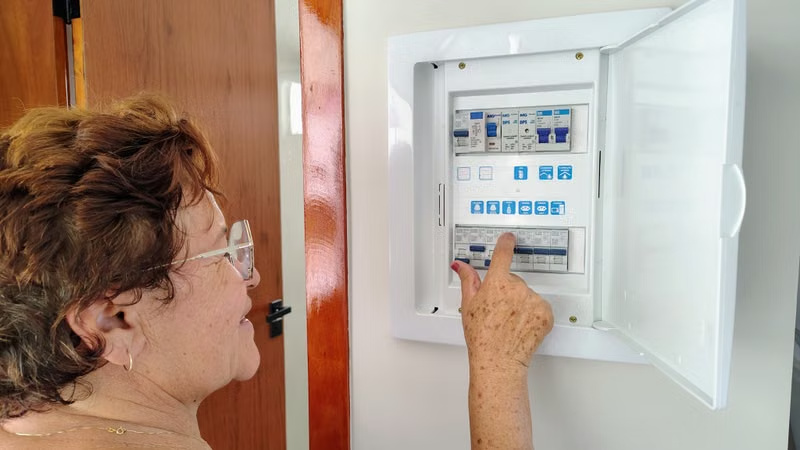
To begin your inspection, consult your vehicle owner manual or the cover of the fuse box to identify the specific slot assigned to the secondary air injection pump. Most manufacturers label this as AIR, SAI, or Secondary Air Pump. Once located, pull the fuse carefully and examine the metal strip inside. If the strip is broken or the plastic housing shows signs of melting, the fuse has failed.
Always use a digital multimeter to verify continuity across the fuse pins if the visual inspection is inconclusive. If you find a blown fuse, do not simply replace it and hope for the best. A blown fuse often indicates an underlying short circuit, potentially caused by a seized pump motor or a chafed wiring harness. If the new fuse blows immediately upon installation, you must investigate the pump motor for internal shorts or physical resistance.
Troubleshooting the Air Pump Relay
The relay acts as a remote switch that allows a low-current signal from the computer to control the high-current power supply to the pump. To test the relay, you can often swap it with an identical relay from a non-critical circuit, such as the horn or accessory fan, provided they share the same part number and pin configuration. If the P0410 code clears or the pump begins to function after the swap, you have successfully identified the faulty relay.
If swapping does not resolve the issue, use a multimeter to check for voltage at the relay socket. With the ignition in the cold-start position, ensure that the control side of the relay is receiving a signal from the engine control module. If the relay clicks but the pump does not start, the issue lies either in the power supply to the relay or the wiring leading from the relay to the pump motor itself.
Common Causes Beyond Electrical Failures
Vacuum Line Leaks and Solenoid Issues
While electrical components are the most common points of failure, the vacuum system is equally critical for the operation of the secondary air injection switching valve. If the vacuum lines leading to the switching valve are cracked, brittle, or disconnected, the valve will not open, and the air pump will have nowhere to push the air. This blockage creates backpressure that can strain the pump motor and lead to electrical overload.
Inspect all rubber hoses connected to the vacuum solenoid and the switching valve. Look for signs of dry rot, cracks, or loose connections. Additionally, test the solenoid valve itself by applying direct battery voltage to its terminals to see if it clicks open. A stuck solenoid valve is a frequent contributor to the P0410 code and is often overlooked when technicians focus solely on the air pump and its electrical supply.
Carbon Buildup and Check Valve Obstructions
The check valve is designed to allow air into the exhaust while preventing hot, corrosive exhaust gases from flowing back into the air pump. Over time, these valves can become clogged with carbon deposits, effectively seizing the valve in the closed position. When this happens, the air pump is forced to work against a wall of pressure, which often results in a blown fuse or a burnt-out pump motor.
If you have verified that the relay, fuse, and pump are functioning correctly, but the P0410 code persists, remove the check valve and inspect it for signs of carbon buildup. Shake the valve to ensure the internal flap moves freely. If it feels stuck or sounds like it contains loose debris, the valve must be replaced to restore proper air flow to the exhaust system.
Diagnostic Comparison Table: Identifying the Root Cause
| Symptom | Likely Component | Recommended Action |
|---|---|---|
| No sound from pump at cold start | Fuse or Relay | Test fuse continuity and swap relay |
| Pump runs but no air detected | Vacuum lines or Check Valve | Check for vacuum leaks and carbon clogs |
| Fuse blows repeatedly | Air Pump Motor | Inspect pump for seizure or internal short |
| Relay clicks but pump stays off | Wiring or Pump Connector | Check for voltage at pump harness |
Preventive Maintenance and Long-Term Reliability
Protecting Electrical Connections from Moisture
Automotive electrical systems, particularly those exposed to road spray and engine heat, are prone to oxidation. Applying a small amount of dielectric grease to the terminals of the air pump relay and connector can prevent moisture from causing corrosion. This simple maintenance step significantly extends the life of the electrical components in the secondary air injection circuit.
Furthermore, ensure that the fuse box cover is properly seated and the weather stripping is intact. Water ingress into the fuse box is a silent killer of automotive electronics. By keeping these components dry and free of debris, you reduce the likelihood of intermittent P0410 codes caused by high-resistance connections and erratic sensor readings.
Monitoring Pump Performance and Engine Health
The secondary air injection pump is a mechanical device that will eventually experience wear. Listening for abnormal grinding or whistling noises during the first few seconds of engine startup can provide early warning of pump failure. If you hear these sounds, it is advisable to inspect the pump and its plumbing before the unit fails completely and blows the primary fuse.
Regular engine maintenance, including the use of high-quality fuel and periodic induction cleaning, can also reduce the amount of carbon that reaches the secondary air injection check valve. By maintaining a clean combustion environment, you minimize the risk of carbon buildup in the exhaust system, which is a primary secondary cause of P0410 malfunctions.
Conclusion
Resolving the P0410 Secondary Air Injection System Malfunction requires a disciplined approach, starting with the most accessible electrical components like fuses and relays. By systematically verifying power distribution, inspecting vacuum lines, and ensuring the mechanical integrity of the check valves, you can accurately diagnose and repair the issue without unnecessary parts replacement. Following these structured steps will ensure that your vehicle meets emissions standards and operates reliably during cold starts.
Frequently Asked Questions
Can I drive with a P0410 code?
Yes, you can generally drive the vehicle, as the P0410 code primarily affects cold-start emissions and not engine performance or safety. However, you should address the issue promptly to pass emissions testing and to prevent potential damage to the catalytic converter over the long term.
Why does my fuse blow every time I replace it?
A repeatedly blowing fuse indicates a short circuit in the wiring or a seized air pump motor that is drawing excessive current. You should test the resistance of the pump motor and inspect the wiring harness for signs of melting or physical damage before installing another fuse.
How do I know if my air pump is bad?
If you have verified that the relay is sending power to the connector and the fuse is intact, but the pump does not operate when commanded, the pump motor itself is likely at fault. A simple test is to provide 12V directly to the pump terminals; if it does not spin, the unit requires replacement.
Does a P0410 code always mean the pump is broken?
No. In many cases, the P0410 code is caused by a faulty relay, a blown fuse, a vacuum leak, or a clogged check valve. Always exhaust the electrical and vacuum system checks before assuming the air pump motor has failed.
References
- Society of Automotive Engineers (SAE) J1979 Diagnostic Trouble Code Definitions.
- Vehicle Manufacturer Service Manuals (Air Injection System Diagnostics).
- Environmental Protection Agency (EPA) On-Board Diagnostic System Requirements.