The P0299 diagnostic trouble code is one of the most common issues encountered by owners of turbocharged vehicles. When the engine control module detects that the actual boost pressure produced by the turbocharger is lower than the commanded or expected pressure, it triggers this code, often accompanied by a limp mode or a significant loss of power. Understanding the complexity of this fault requires a systematic approach to the induction system, as the problem rarely stems from a catastrophic turbo failure.
This guide serves as a technical manual for identifying the root causes of the P0299 condition. Whether you are dealing with a microscopic crack in a charge pipe or a malfunctioning electronic control component, the following sections provide the necessary framework to isolate the variable and perform a successful repair. By addressing the induction path and the control circuitry, you can restore your vehicle to factory performance specifications.
Understanding the P0299 Underboost Condition
How the Engine Control Module Detects Underboost
The engine management system relies on data from the manifold absolute pressure sensor and the mass airflow sensor to calculate the required boost levels. Under normal operating conditions, the computer adjusts the wastegate position to regulate the speed of the turbocharger turbine. When the target pressure is not achieved within a specific timeframe, the system flags the P0299 code to protect the engine from potential damage caused by improper air-fuel ratios.
It is important to note that this code is a performance-based monitor rather than a direct sensor failure. The computer is essentially reporting that the physical output of the forced induction system is insufficient. This discrepancy triggers an immediate reduction in fuel injection timing and ignition advance, which is why drivers often report a sudden sluggishness in acceleration and limited top-end power.
Common Symptoms and Driving Implications
Beyond the illumination of the check engine light, drivers usually experience a noticeable decrease in torque across the power band. In many modern vehicles, this is paired with a restricted maximum vehicle speed. You might also hear an audible hissing or whistling sound during hard acceleration, which is a classic indicator of a pressurized air leak within the induction plumbing.
Driving with an active P0299 code for an extended period is not recommended. While the car may remain drivable, the engine is operating outside of its optimized parameters. This can lead to increased carbon buildup, fouled spark plugs, and in some cases, excessive exhaust gas temperatures if the turbocharger is over-spinning to compensate for a leak that it cannot overcome.
Diagnostic Procedures for Intercooler Leaks
Identifying Induction System Leaks
The intercooler and its associated piping are the most frequent culprits for boost pressure loss. Over time, rubber hoses become brittle due to high heat cycles, and plastic end tanks on intercoolers can crack under constant pressure. To find these leaks, a boost leak tester is the most effective tool. By pressurizing the intake system while the engine is off, you can listen for escaping air.
When performing this test, start by disconnecting the air intake hose from the turbo inlet and attaching the tester. Apply compressed air—never exceeding the factory boost rating—and use a soapy water solution to spray connection points, clamps, and the intercooler surface. Bubbles will form at the site of any leak, allowing for precise identification of the damaged component.
Repairing Charge Pipes and Intercooler Components
Once a leak is located, the repair process typically involves replacing the damaged hose or sealing the breach. If the leak is caused by a loose clamp, simply tightening it may suffice, but often the rubber has degraded to the point where replacement is necessary. Always use high-quality, reinforced silicone hoses designed for automotive boost applications to prevent future failures.
If the intercooler itself is found to have a crack in the end tank, it is usually recommended to replace the unit entirely. While some enthusiasts attempt to patch plastic tanks with epoxy, the extreme pressure and thermal expansion cycles make these repairs temporary at best. A robust, all-aluminum aftermarket intercooler is often a better long-term investment if the factory unit is prone to failure.
Wastegate Solenoid and Control Systems
Function of the Wastegate Control Solenoid
The wastegate solenoid, also known as the boost control valve, acts as the gatekeeper for the turbocharger. It receives duty cycle signals from the engine computer to regulate the vacuum or pressure applied to the wastegate actuator. If this solenoid fails, it may stay stuck in a position that holds the wastegate open, allowing boost pressure to bypass the turbine and escape directly into the exhaust stream.
Testing the solenoid involves checking for electrical continuity and mechanical actuation. Using a multimeter, you can measure the resistance of the solenoid coil against factory specifications. Furthermore, applying an external 12-volt power source to the solenoid should result in a distinct clicking sound, indicating that the internal plunger is moving as intended.
Troubleshooting Vacuum and Pressure Lines
The solenoid is connected to the turbocharger and the wastegate actuator via thin rubber or silicone lines. These lines are susceptible to hardening, cracking, or becoming disconnected due to engine vibration. A small pinhole in these lines can cause the solenoid to receive incorrect pressure readings, leading to poor boost regulation and the inevitable P0299 code.
Always inspect these lines for signs of heat damage or oil saturation. Even if the lines appear intact, it is good practice to replace them if they feel hard or brittle. Ensure that all connections are secure and that the lines are routed away from hot exhaust manifolds to prevent melting, which is a common cause of recurring underboost issues.
Advanced Diagnostic Considerations
Turbocharger Mechanical Wear
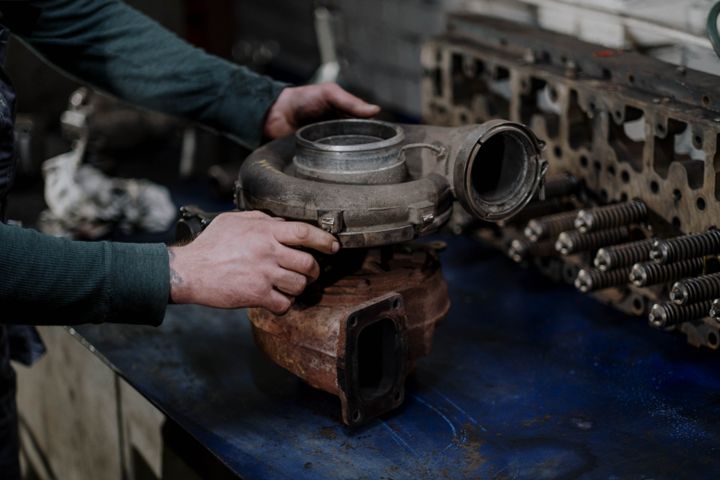
If the induction system is airtight and the solenoid is functioning correctly, the turbocharger itself may be suffering from internal mechanical wear. Excessive shaft play in the turbine housing can prevent the turbo from reaching its target RPM. You can check for this by removing the intake pipe and manually inspecting the turbine wheel for side-to-side or in-and-out movement.
Some shaft play is normal in journal-bearing turbos, but it should never be enough for the blades to contact the housing. If there is evidence of oil leakage into the intake, or if the turbine blades show signs of damage or erosion, the turbocharger likely requires a rebuild or replacement. This is the most expensive scenario associated with P0299 but is often the last component to fail.
Comparing Diagnostic Methods
| Component | Testing Method | Common Failure |
|---|---|---|
| Intercooler | Pressure leak test | Cracked end tanks |
| Wastegate Solenoid | Multimeter/12V jump | Internal coil failure |
| Vacuum Lines | Visual inspection | Dry rot/Heat damage |
| Turbocharger | Shaft play check | Worn bearings/seals |
Conclusion
The P0299 Turbocharger Underboost code is a diagnostic challenge that demands a systematic evaluation of the entire forced induction pathway. By prioritizing a thorough inspection of the intercooler, intake hoses, and the wastegate control solenoid, you can resolve the vast majority of underboost conditions without resorting to unnecessary turbocharger replacement. Always verify the integrity of your vacuum lines and ensure that all electrical connections are secure, as minor faults in these areas are frequently mistaken for major mechanical failures.
Frequently Asked Questions
Can I drive my car with a P0299 code?
While you can technically drive the vehicle, it is not recommended for long distances. The engine is operating in a degraded mode, which can lead to poor fuel economy and potential long-term damage to the emissions system and internal engine components.
Is P0299 always a bad turbo?
No, P0299 is rarely caused by a failed turbocharger. In most instances, it is caused by simple leaks in the air intake system or a malfunctioning control solenoid. Always check for leaks before assuming the turbocharger needs replacement.
How much does it cost to fix P0299?
Costs vary significantly. If the issue is a simple rubber hose or a vacuum line, the cost may be minimal (under $100). However, if the intercooler or the turbocharger itself requires replacement, the costs can range from several hundred to over a thousand dollars depending on labor and parts prices.
What is the most common cause of P0299?
The most common cause is a boost leak in the induction system, specifically in the rubber boots or plastic pipes leading to and from the intercooler. These components are subjected to high pressure and heat, which leads to degradation over time.
References
1. Society of Automotive Engineers (SAE) Diagnostic Trouble Code Definitions.
2. Vehicle Manufacturer Service Manuals for Turbocharged Induction Systems.
3. EPA Guidelines on Engine Performance and Emissions Systems Maintenance.