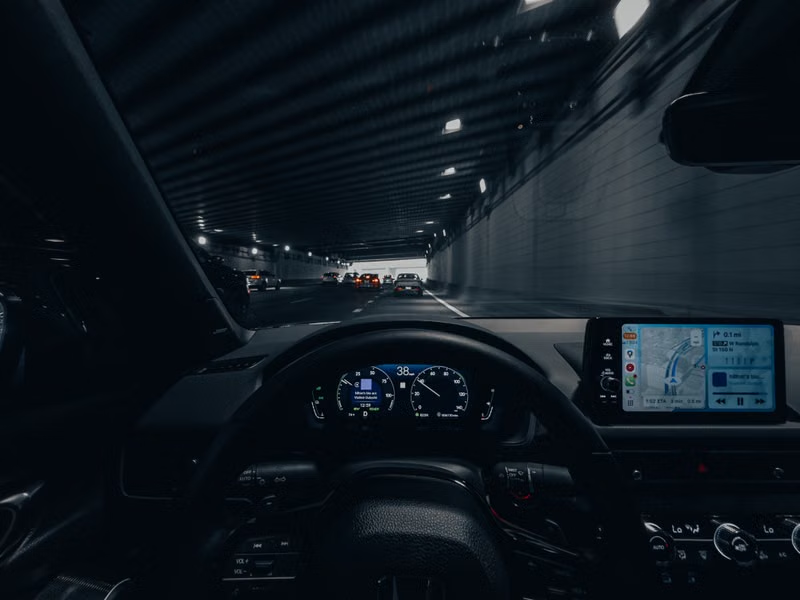
Modern vehicles rely on a complex web of digital communication to function correctly. When you see the U0155 diagnostic trouble code, your vehicle's onboard computer is signaling that it has lost contact with the Instrument Panel Cluster (IPC). This module is responsible for displaying critical information such as speed, fuel levels, engine temperature, and various safety warnings. When this communication is severed, the driver loses essential feedback, and the vehicle may fail to pass inspection or exhibit erratic behavior in other integrated systems.
Understanding this code requires a shift from mechanical thinking to electrical diagnostics. The U0155 code is not an indication that the cluster itself is necessarily broken, but rather that the digital language spoken between the Engine Control Module (ECM) and the IPC is not being transmitted or received. This guide will walk you through the technical landscape of CAN bus networks, identify common failure points, and provide a roadmap for restoring functionality to your vehicle's primary information display.
Understanding the CAN Bus Communication Network
What is the Controller Area Network (CAN)?
The Controller Area Network, or CAN bus, serves as the nervous system of your automobile. It allows various electronic control units, such as the powertrain control module, body control module, and instrument cluster, to communicate with each other over a pair of wires known as CAN High and CAN Low. By using a standardized protocol, these modules exchange data packets in milliseconds to ensure that the engine, transmission, and dashboard are perfectly synchronized.
When communication is lost, it usually stems from a disruption in this high-speed data stream. Because the modules are connected in a network, a physical break in the wiring, a short circuit, or even a single faulty module sending garbage data can disrupt the communication line for other devices. The U0155 specifically flags the Instrument Panel Cluster as the isolated point where the connection has failed, preventing the module from reporting its status to the rest of the vehicle's network.
The Role of the Instrument Panel Cluster (IPC)
The IPC is much more than a collection of needles and lights. It is a sophisticated computer that interprets digital signals from the vehicle's sensors and converts them into visual information. It also often acts as a gateway or a node within the electrical architecture. If the IPC loses its connection to the main network, you will typically notice that the gauges go flat, the odometer stops updating, or warning lights behave in an unpredictable manner.
Because the IPC is integrated into the security and diagnostic protocols of the car, a total loss of communication can also trigger secondary codes. This is why you might see a flurry of other U-series codes accompanying the U0155. Identifying the root cause requires isolating the IPC to see if it is the source of the communication blockage or merely a victim of a wider network failure.
Diagnostic Steps for U0155
Inspecting Wiring and Connector Integrity
The most common cause for a U0155 code is physical damage to the wiring harness leading to the instrument cluster. Over time, vibrations from the engine and road can cause wires to rub against metal brackets, leading to insulation wear or severed connections. Begin your inspection by checking the connectors located behind the dashboard. Ensure that the pins are not bent, corroded, or pushed back into the connector housing.
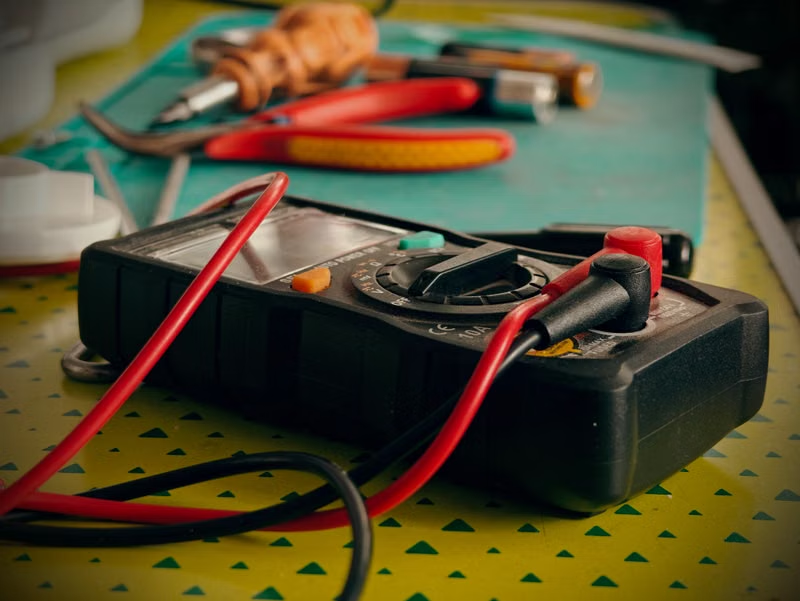
Use a digital multimeter to check for continuity between the IPC connector and the main communication junction block. You should also perform a voltage test on the CAN High and CAN Low lines. Typically, you should see approximately 2.5 volts on each line when the system is in a quiescent state. If the voltage is significantly different or if there is no signal, you have identified a physical layer failure that must be repaired before replacing any electronic components.
Testing for Module Power and Ground
Before assuming the IPC has failed, verify that the module is receiving the necessary power and ground signals. Electronic modules require a stable power supply to process data and maintain communication with the network. A faulty ground connection is a frequent culprit in electrical diagnostics; if the IPC cannot establish a clean path to the chassis ground, it will shut down to protect its internal circuitry, resulting in a loss of communication.
Check the fuses associated with the instrument cluster in the interior fuse box. A blown fuse might seem like a simple fix, but if the fuse blows again immediately, it suggests a short circuit somewhere in the wiring harness. Use a wiring diagram specific to your vehicle model to locate the correct power and ground pins on the IPC connector and test them with a multimeter while the ignition is in the ON position.
Common Causes of Communication Failure
Faulty Instrument Cluster Module
In some instances, the internal circuitry of the IPC itself may fail due to age, heat exposure, or manufacturing defects. When the internal communication processor within the cluster stops functioning, it can no longer handshake with the vehicle's network, triggering the U0155 code. If your wiring, power, and ground tests are all within specifications, the cluster module itself becomes the primary suspect for replacement.
When replacing the IPC, be aware that many modern vehicles require the new unit to be programmed or coded to the vehicle's VIN and security system. Simply swapping the part may not resolve the issue, as the vehicle's gateway module may refuse to communicate with an unrecognized or uninitialized cluster. Always consult the manufacturer's service manual for the specific programming requirements of your vehicle.
CAN Bus Interference and Short Circuits
The CAN bus is sensitive to electromagnetic interference and resistance changes. If a different module on the same network is failing, it can flood the line with erroneous data, effectively silencing the Instrument Panel Cluster. This is known as bus noise. A professional diagnostic scanner that can display real-time CAN bus data is invaluable here, as it can show if the communication lines are active or if they are being pulled to a high or low state continuously.
Another possibility is a short circuit to ground or power within the CAN wires. Even a small amount of corrosion at a connector can introduce resistance that degrades the signal quality, making it impossible for the IPC to maintain a reliable connection. Inspect all common junction points where the wiring harness passes through the firewall or near the engine bay, as these are high-risk areas for environmental damage.
Advanced Troubleshooting Techniques
Using a Scan Tool to Isolate the Node
Modern diagnostic tools allow you to perform a network test, which polls every module connected to the vehicle's bus. If the scan tool cannot see the IPC but can see other modules, you have successfully isolated the problem to the IPC or the wiring leading directly to it. If the scan tool cannot communicate with any modules, the issue is likely a master gateway failure or a total bus collapse.
Look for live data streams that indicate communication status. Many high-end scanners provide a snapshot of the communication health, showing which modules are reporting in and which are silent. This data can save hours of manual probing by directing you to the exact segment of the network that is failing to respond.
Verifying Software and Firmware Updates
Sometimes, the U0155 code is not caused by hardware failure but by a software glitch within the module's firmware. Manufacturers occasionally release technical service bulletins (TSBs) that address communication errors by updating the software of the IPC or the central gateway. Check with your dealership or an online service database to see if there are any pending updates for your vehicle's specific model year and trim level.
If a software update is available, it must be performed using the manufacturer's proprietary diagnostic software. This is rarely a DIY task, as it requires a stable internet connection to the manufacturer's servers and specialized interface hardware. However, it is a necessary step before condemning an expensive module to the scrap heap.
Comparison of Diagnostic Approaches
| Method | Pros | Cons |
|---|---|---|
| Visual Inspection | Low cost, identifies obvious damage | Misses internal electrical faults |
| Multimeter Testing | Precise, confirms wiring integrity | Requires technical knowledge |
| Scan Tool Analysis | Fast, identifies network-wide issues | High cost for quality equipment |
Conclusion
The U0155 code represents a significant disruption in your vehicle's internal communication, specifically isolating the Instrument Panel Cluster from the network. While the symptoms may seem daunting, the solution typically lies in a methodical evaluation of the wiring, power supply, and the internal health of the module itself. By systematically moving from basic visual inspections to advanced CAN bus analysis, you can identify the root cause, whether it be a simple corroded connector or a complex software update, and restore full functionality to your vehicle's dashboard.
Frequently Asked Questions
Can I drive my car with a U0155 code?
Technically, the car may still drive, but you will lack vital information such as speedometer readings, fuel levels, and warning lights. This is a safety concern, as you will not be alerted to engine overheating or low oil pressure. It is highly recommended to have this issue diagnosed and repaired immediately.
Does a U0155 code always mean the cluster is dead?
No. In many cases, the cluster is perfectly functional, but a broken wire or a blown fuse prevents it from receiving power or communication signals. Always verify power and ground to the unit before replacing it.
Is the U0155 code related to a dead battery?
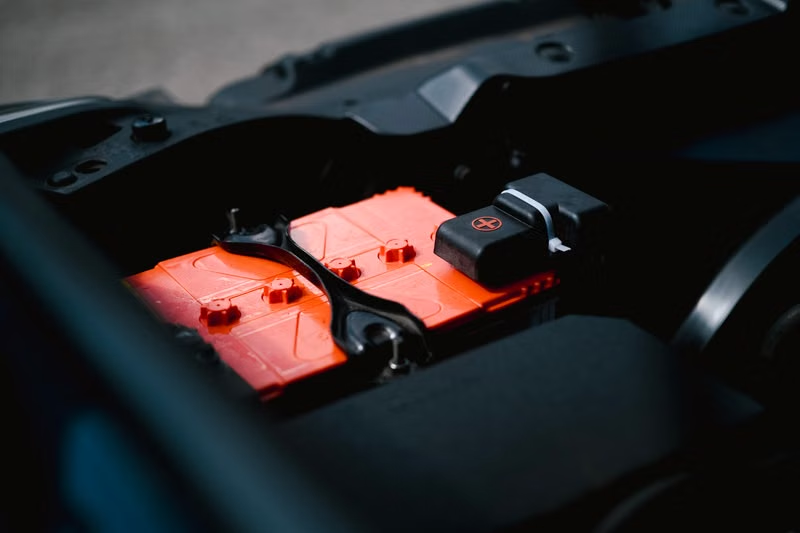
A weak or dead battery can cause low voltage spikes that confuse electronic modules. While it is not the most common cause, a failing battery or alternator can lead to erratic module behavior, including communication errors like U0155.
Can I fix this code by resetting the ECU?
Resetting the ECU or disconnecting the battery may temporarily clear the code, but it will not fix the underlying cause. If there is a physical break in the CAN bus or a faulty module, the U0155 code will return as soon as the vehicle's self-test runs.
How much does it cost to repair a U0155 issue?
The cost varies wildly depending on the root cause. A simple wiring repair might cost the price of some electrical tape and a crimp connector, whereas replacing and programming a new instrument cluster can cost several hundred to over a thousand dollars depending on the vehicle make.
References
- Automotive Service Excellence (ASE) Electrical/Electronic Systems Guide.
- Manufacturer Service Manuals: Troubleshooting CAN Bus Communication Protocols.
- OBD-II Diagnostic Standards and Protocol Definitions (ISO 15765).