Modern vehicles rely on a sophisticated network of sensors to ensure optimal performance, fuel efficiency, and longevity. Among these critical components, the transmission fluid temperature sensor plays a vital role in regulating how the transmission control module operates the shifting patterns and torque converter lock-up. When the engine control unit detects that the data coming from this sensor falls outside of the expected range or exhibits erratic behavior, it triggers the P0711 diagnostic trouble code.
Dealing with this specific code requires a systematic approach, as the issue could stem from anything as simple as a low fluid level to a complex electrical fault within the transmission wiring harness. This guide serves as a technical roadmap for vehicle owners and DIY mechanics to identify the root cause of the range/performance malfunction and restore the vehicle to its proper operating state.
Understanding the P0711 Error Code
What the P0711 Code Means
The P0711 code is a generic powertrain diagnostic trouble code that specifically flags a range or performance issue with the transmission fluid temperature sensor circuit. Essentially, the transmission control module expects to see a specific temperature rise or fall that correlates with the engine's operating time. If the sensor reports a temperature that is illogical—such as a freezing cold reading after the engine has been running for thirty minutes—the computer determines that the circuit is not operating within its programmed parameters.
This code is designed to protect the transmission from damage. When the computer cannot accurately determine the temperature of the fluid, it may default to a safe mode, which often results in harsh shifting, the inability to engage the highest gear, or the disabling of the torque converter clutch. This helps prevent the transmission from overheating, but it also significantly impacts drivability and fuel economy.
The Role of the Transmission Fluid Temperature Sensor
The sensor itself is typically a thermistor, a device that changes its electrical resistance based on temperature fluctuations. The transmission control module sends a reference voltage to the sensor and monitors the return signal. As the fluid warms up, the resistance changes, allowing the computer to calculate the exact temperature of the transmission fluid.
By monitoring this data, the vehicle can adjust pressure settings for the clutch packs and bands. If the fluid is too cold, the system may delay shifts to allow the engine and transmission to reach operating temperature faster. If the fluid is too hot, the computer may engage cooling protocols or modify shift points to reduce internal friction. When this feedback loop is broken, the vehicle essentially operates blind, leading to the P0711 trigger.
Common Symptoms and Diagnostic Indicators
Recognizing Drivability Issues
Drivers often notice the P0711 code before they even see the check engine light on the dashboard. One of the most common symptoms is abnormal shifting behavior. You might notice that the transmission shifts significantly firmer or later than usual, or perhaps it refuses to shift into overdrive. This is the transmission control module attempting to compensate for the lack of accurate temperature data.
In some cases, you may notice that the transmission seems to operate differently depending on the ambient temperature. For example, the vehicle might drive perfectly fine on a cool morning but begin to exhibit shifting delays or engine surging once the ambient temperature rises. This correlation between external conditions and transmission performance is a classic sign of a sensor that is failing to report accurate internal temperatures.
Warning Lights and Diagnostic Tools
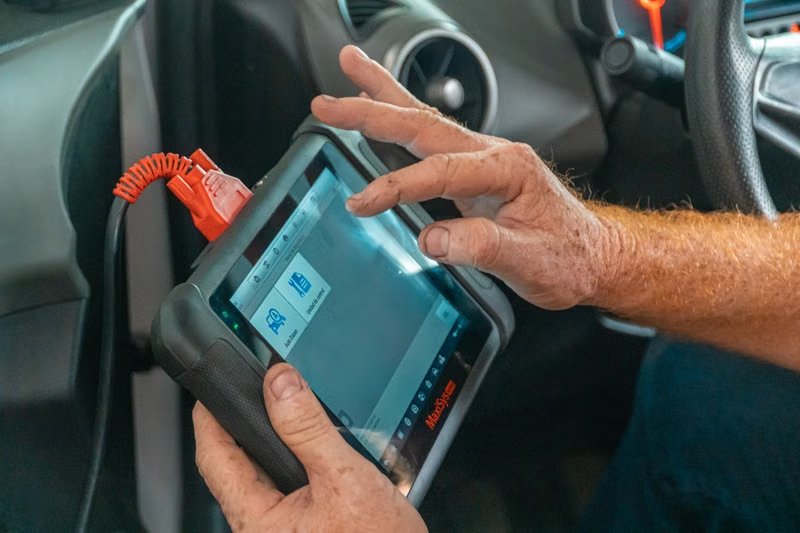
The most obvious indicator is the illumination of the Check Engine Light (CEL) or the Transmission Warning Light on your instrument cluster. Once this light appears, it is critical to use an OBD-II scanner to pull the P0711 code. While some generic scanners will only show the code, more advanced diagnostic tools can provide live data streams, allowing you to see exactly what temperature the sensor is reporting in real-time.
If you observe the live data and the temperature reading remains static despite the vehicle running for an extended period, you have confirmed that the sensor or its circuit is indeed faulty. If the reading fluctuates wildly or hits extreme values that are physically impossible, this further confirms a sensor or electrical connection failure rather than an actual transmission overheat event.
Primary Causes of P0711
Electrical Circuit Faults and Wiring
The most frequent cause of the P0711 code is not the sensor itself, but the wiring harness leading to it. Transmission fluid is highly corrosive and, over time, can degrade the insulation on wires if there is a leak or a breach in the harness seal. Vibration from the engine and transmission can also cause wires to rub against metal components, creating short circuits or open circuits that disrupt the signal.
Inspect the connector at the transmission housing for signs of corrosion, bent pins, or fluid contamination. Often, transmission fluid can wick up through the wiring harness due to capillary action, reaching the connector and causing high resistance. Cleaning the connector with electrical contact cleaner is a standard first step in the diagnostic process.
Sensor Failure and Fluid Issues
While less common than wiring issues, the sensor itself can fail. Over years of heat cycling, the internal components of the thermistor can become brittle or lose their calibration. When this happens, the resistance values no longer align with the manufacturer's specifications, leading to the range/performance error.
Additionally, severely degraded or low transmission fluid can cause temperature spikes that trigger the code. If the fluid level is low, the sensor may be exposed to air rather than fluid, leading to inaccurate readings. Always verify the fluid level and condition before assuming the sensor or wiring is at fault. If the fluid is burnt or smells like ozone, it is a strong indicator that the transmission has suffered internal damage beyond just a sensor fault.
Step-by-Step Diagnostic Procedures
Initial Inspection and Fluid Check
Begin your diagnostic process by checking the transmission fluid level and quality. If the fluid is extremely low, top it off and clear the codes to see if the issue persists. If the fluid is dark and has a burnt odor, you may be dealing with internal transmission damage, and a simple sensor replacement may not solve the underlying issue.
Next, perform a visual inspection of the external transmission wiring harness. Look for areas where the harness might be pinched, melted, or damaged by road debris. If the wiring appears intact, locate the transmission fluid temperature sensor connector and disconnect it to inspect for moisture or corrosion. Use a multimeter to check for the presence of the reference voltage from the transmission control module.
Advanced Circuit Testing
To test the sensor, you will need a digital multimeter and the manufacturer's resistance chart for your specific vehicle model. Measure the resistance across the sensor terminals while the transmission is cold and again after it has warmed up. The resistance should change smoothly as the temperature rises.
| Test Condition | Expected Resistance (Typical) |
|---|---|
| Cold (Approx. 20°C) | 2500 - 3000 Ohms |
| Warm (Approx. 80°C) | 250 - 350 Ohms |
If the resistance remains infinite (open circuit) or zero (short circuit) regardless of temperature, the sensor is faulty and must be replaced. If the sensor tests within specifications, the issue is likely located in the wiring between the sensor and the transmission control module. Use a continuity test to ensure there is no break in the signal wire or the ground wire.
Repair and Replacement Strategies
Replacing the Sensor
In most modern vehicles, the transmission fluid temperature sensor is located inside the transmission pan, often attached to the valve body or the internal wiring harness. Replacing it requires draining the transmission fluid, removing the pan, and often the filter. This is a labor-intensive task that requires a new pan gasket and, depending on the vehicle, a new transmission filter.
Once the pan is removed, ensure you keep the work area clean. Any debris entering the valve body can cause catastrophic transmission failure. Carefully unclip the sensor from the wiring harness, install the new sensor, and ensure the electrical connection is secure before reassembling the pan and refilling the fluid to the correct manufacturer-specified level.
Addressing Wiring Harness Problems
If the diagnostic tests point to a wiring issue, you have two primary options. You can attempt to repair the damaged section of the harness by soldering in new wire and using heat-shrink tubing to seal the connection. This is often the most cost-effective approach for minor damage.
If the harness is severely degraded or the fluid has wicked deep into the wiring, the best long-term solution is to replace the entire internal transmission wiring harness. While this is more expensive, it prevents future electrical gremlins from appearing shortly after a patch repair. Always use automotive-grade, oil-resistant wiring when performing repairs inside the transmission housing.
Preventative Maintenance and Best Practices
The Importance of Fluid Changes
Most P0711 codes can be avoided through regular transmission maintenance. Transmission fluid contains detergents and anti-wear additives that break down over time. By adhering to the manufacturer's recommended fluid change intervals, you keep the sensors clean and prevent the buildup of sludge that can interfere with electrical components.
Furthermore, keeping the transmission cool is essential. If you frequently tow heavy loads or drive in stop-and-go traffic, consider installing an aftermarket transmission oil cooler. By keeping the fluid temperatures within a safe, stable range, you reduce the stress on the temperature sensor and extend the overall lifespan of the transmission's internal electronics.
Avoiding Common Pitfalls
A common mistake is replacing the sensor without verifying the wiring. Many mechanics spend hours and significant money replacing sensors, only to find the P0711 code returns because the actual problem was a broken wire in the harness five inches away from the sensor. Always test the circuit entirely before committing to component replacement.
Another pitfall is using low-quality aftermarket sensors. Transmission components are highly sensitive to resistance values. A cheap sensor may report values that are technically functional but slightly off-spec, which can still trigger the P0711 code or cause poor shift timing. Always opt for Original Equipment Manufacturer (OEM) parts when dealing with critical electronic sensors.
Conclusion
The P0711 code serves as an early warning system, alerting you to a failure in the transmission's thermal monitoring loop that, if ignored, can lead to severe mechanical damage. By systematically checking fluid levels, inspecting the wiring harness for corrosion, and verifying the resistance values of the temperature sensor, you can accurately pinpoint the source of the malfunction. Whether the repair involves a simple connector cleaning or a more involved sensor replacement, addressing the issue promptly ensures your vehicle remains reliable, fuel-efficient, and safe to drive.
Frequently Asked Questions
Can I continue driving with a P0711 code?
While you can physically drive the vehicle, it is not recommended for long periods. The transmission control module may default to a limp mode, which can cause harsh shifting and potentially overheat the transmission. It is best to have the issue diagnosed and repaired as soon as possible to avoid expensive internal transmission damage.
Is the P0711 code always related to a faulty sensor?
No. In fact, damaged or corroded wiring is a more common cause than the sensor itself. Always test the electrical circuit and the continuity of the wiring harness before assuming the sensor needs to be replaced.
How much does it cost to fix P0711?
The cost varies significantly based on the vehicle make and whether the sensor is external or internal. If it is an external wiring issue, it might cost a few hundred dollars. If it requires dropping the transmission pan, replacing the sensor, and adding new fluid, costs can range from $300 to $800 depending on labor rates and parts.
Can low transmission fluid trigger P0711?
Yes. If the transmission fluid level is extremely low, the sensor may not be fully submerged in the fluid. This can lead to erratic temperature readings as the sensor is exposed to the air inside the transmission housing, triggering the performance code.
References
- Society of Automotive Engineers (SAE) OBD-II Diagnostic Standards.
- Vehicle Manufacturer Service Manuals (Specific to Transmission Control Module protocols).
- Automotive Electronics and Sensor Technology Reference Guide, 4th Edition.