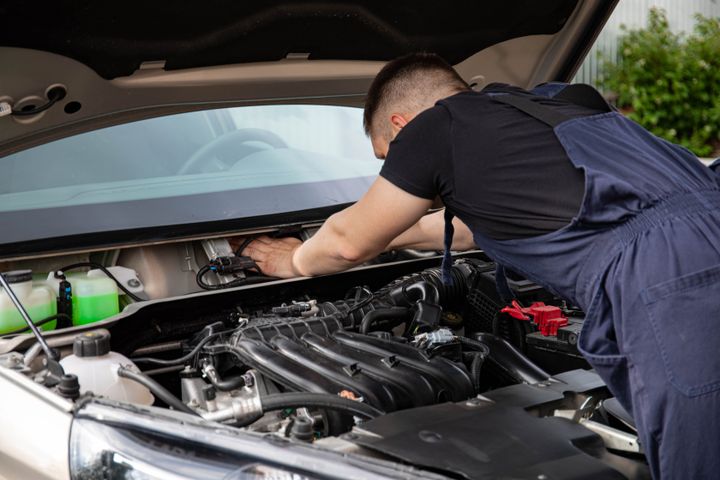
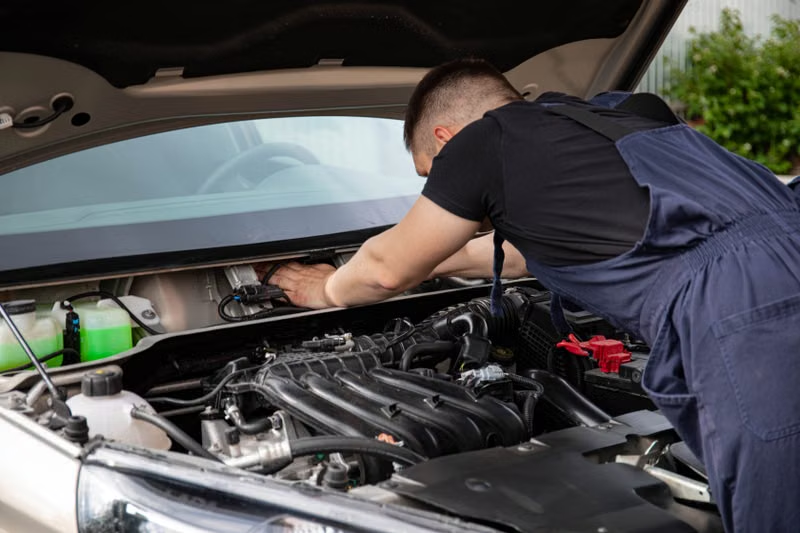
The P2187 diagnostic trouble code is a common source of frustration for vehicle owners, particularly those driving modern fuel-injected engines. When your car's engine control module detects a System Too Lean at Idle condition for Bank 1, it indicates that the air-fuel mixture entering the combustion chamber contains too much air and not enough fuel during idling conditions. This imbalance can lead to poor engine performance, rough idling, and decreased fuel efficiency.
Understanding the relationship between the Positive Crankcase Ventilation (PCV) system and the fuel trim is essential for any DIY enthusiast or car owner looking to save on repair costs. A faulty PCV breather valve is one of the most frequent mechanical triggers for this specific fault code. By replacing this inexpensive component, you can often restore your vehicle's performance without the need for expensive diagnostic fees at a dealership.
Understanding the P2187 Fault Code
What Does System Too Lean at Idle Mean?
The term lean refers to an air-fuel ratio where there is an excess of oxygen compared to the amount of fuel being injected. In a perfectly tuned engine, the ratio is kept at a stoichiometric balance, which is roughly 14.7 parts air to 1 part fuel. When the sensor detects a lean condition at idle, it means the engine computer is struggling to compensate for unmetered air entering the system or a lack of fuel pressure.
Bank 1 refers to the side of the engine that contains the number one cylinder. In four-cylinder engines, there is only one bank, so Bank 1 covers the entire engine. The idle condition specification is crucial because it helps narrow down the problem. If the lean condition were present at higher RPMs, the focus would shift toward fuel pump delivery or mass airflow sensor issues. However, since it is at idle, the problem is almost certainly related to a vacuum leak or the PCV system.
Common Symptoms of a Lean Condition
Drivers often notice several distinct symptoms before the check engine light even illuminates. The most common sign is a rough or erratic idle, where the engine RPM fluctuates while the vehicle is stopped. You might also notice a hesitation when accelerating from a standstill, as the engine struggles to adjust to the sudden change in air intake.
- Check engine light illumination on the dashboard.
- Rough or unstable idling while the vehicle is in park or neutral.
- Poor fuel economy as the engine computer tries to compensate by dumping more fuel.
- Audible hissing sounds coming from the engine bay, indicating a vacuum leak.
- Stalling during stops, particularly when the engine is cold.
The Role of the PCV Breather Valve
How the PCV System Affects Air-Fuel Ratios
The Positive Crankcase Ventilation system is designed to manage the gases that escape past the piston rings into the crankcase. Instead of venting these gases into the atmosphere, the PCV valve routes them back into the intake manifold to be burned in the combustion chamber. This reduces pollution and prevents the buildup of sludge within the engine oil.
When a PCV valve fails, it often gets stuck in the open position. This allows an uncontrolled amount of air to bypass the throttle body and enter the intake manifold. Because this air is not measured by the Mass Airflow Sensor (MAF), the engine computer does not account for it, resulting in a lean air-fuel mixture. This is precisely why a faulty PCV valve is a primary suspect for the P2187 code.
Diagnosing a Faulty PCV Valve
Before jumping into a replacement, you can perform a few simple diagnostic tests. One classic method involves locating the PCV valve and removing it while the engine is idling. If you place your finger over the opening and feel strong suction, the valve is likely functioning. However, if the idle quality changes significantly or the hissing noise stops when you block the hose, you have found your leak.
Another physical inspection involves removing the valve and shaking it. A healthy PCV valve will produce a distinct rattling sound because the internal plunger moves freely. If it is silent or feels gummed up with oil residue, it is likely stuck and requires replacement.
Step-by-Step PCV Breather Valve Replacement
Preparation and Safety Measures
Safety is the first priority when working on any vehicle. Ensure the engine is completely cool before starting the process, as the PCV valve is often located near hot engine components or coolant lines. Gather the necessary tools, which typically include a set of screwdrivers, a socket wrench set, and a pair of pliers for hose clamps.
It is also advisable to purchase an OEM (Original Equipment Manufacturer) replacement valve rather than a generic aftermarket part. The PCV valve is calibrated to specific flow rates for your engine's vacuum requirements, and using the wrong part can lead to persistent lean codes even after the repair.
Removal and Installation Process
Once you have located the valve, follow these steps to perform the replacement:
- Locate the PCV valve, which is usually screwed into the valve cover or connected to a rubber hose near the intake manifold.
- Carefully disconnect the rubber hose from the valve. Use pliers if the clamp is difficult to open by hand.
- Unscrew the old valve using the appropriate socket or wrench. Be prepared for a small amount of oil to drip out.
- Clean the surrounding area of the valve cover to ensure a tight seal for the new component.
- Install the new PCV valve by threading it in by hand before tightening it with your tool to avoid cross-threading.
- Reconnect the vacuum hose and ensure the clamp is secure.
- Clear the P2187 error code using an OBD-II scanner and take the vehicle for a test drive.
Comparing Potential Causes for P2187
While the PCV valve is a common culprit, other issues can trigger the same code. It is helpful to compare symptoms to ensure you are not misdiagnosing the problem. The following table provides a quick reference for common causes of lean conditions at idle.
| Potential Cause | Likelihood at Idle | Diagnostic Method |
|---|---|---|
| Faulty PCV Valve | High | Physical inspection/rattle test |
| Vacuum Hose Leak | High | Visual inspection for cracks |
| Intake Manifold Gasket | Medium | Smoke test or soapy water spray |
| Mass Airflow Sensor | Low | Live data scanning |
Preventive Maintenance to Avoid Future Lean Codes
Regular Oil Changes and Engine Health
The PCV system is heavily reliant on clean engine oil. Over time, old oil creates sludge that can clog the PCV valve, causing it to stick. Adhering to your manufacturer's recommended oil change intervals is one of the most effective ways to prolong the life of your PCV valve and related emissions components.
Inspecting Vacuum Lines
Rubber components in the engine bay are susceptible to heat and vibration. Periodically inspect all visible vacuum lines for signs of cracking, dry rot, or swelling. If you find a hose that feels brittle, replace it immediately. These small maintenance tasks prevent minor vacuum leaks from escalating into full-blown engine performance issues.
Conclusion
Resolving the P2187 System Too Lean at Idle (Bank 1) code is a manageable task that often centers on the health of your PCV breather valve. By understanding the vacuum system's role in maintaining the correct air-fuel mixture, you can accurately diagnose the issue and perform the necessary replacement. Always prioritize using quality parts and verify your repair by clearing the engine codes and monitoring the vehicle's performance during a road test to ensure the lean condition has been fully resolved.
Frequently Asked Questions
Can I drive with a P2187 code?
While you can technically drive the vehicle, it is not recommended for long periods. A lean condition can cause the engine to run hotter than normal, potentially leading to damaged spark plugs, burnt valves, or catalytic converter failure due to the engine computer trying to overcompensate with fuel.
Do I need an OBD-II scanner to fix P2187?
You do not need a scanner to replace the part, but you do need one to clear the code from the engine's memory. If you do not clear the code, the check engine light will remain illuminated even after the repair is successful. Many auto parts stores offer free code scanning and clearing services.
What if replacing the PCV valve does not fix the P2187 code?
If the code persists, the issue is likely a vacuum leak elsewhere in the system. Check the intake manifold gasket, the throttle body gasket, or any rubber vacuum hoses connected to the intake manifold. A professional smoke test can help identify leaks that are otherwise invisible to the naked eye.
Is the PCV valve replacement different for every car?
Yes, the location and removal process vary significantly between vehicle manufacturers. Some PCV valves are easily accessible on top of the valve cover, while others may require the removal of engine covers or intake components. Always consult your vehicle-specific service manual before beginning.
References
- Society of Automotive Engineers (SAE) OBD-II Diagnostic Standards.
- Vehicle Manufacturer Service and Repair Manuals (OEM Specifications).
- EPA Guidelines on Automotive Emissions Control Systems.