The illumination of a check engine light is often a source of anxiety for vehicle owners, but few codes are as common or as misunderstood as P0455. This specific diagnostic trouble code signals a gross leak within the Evaporative Emission (EVAP) control system. When the onboard computer detects that a significant amount of fuel vapor is escaping into the atmosphere rather than being processed through the engine, it triggers this warning to ensure environmental compliance and vehicle efficiency.
Understanding the EVAP system requires a brief look at how your car manages fuel vapors. Rather than allowing gasoline fumes to vent directly into the air, the system captures them in a charcoal canister. These vapors are eventually purged into the engine to be burned during combustion. A gross leak, defined by the P0455 code, suggests that a major breach exists in this closed loop, which can stem from something as simple as a loose gas cap or as complex as a failed mechanical component.
This guide provides a systematic approach to identifying the root cause of your P0455 error, walking you through the diagnostic process to save you time and money at the repair shop. By following these steps, you can determine whether the fix is a simple DIY task or one that requires professional intervention.
Understanding the EVAP System Architecture
How the EVAP System Functions
The primary purpose of the EVAP system is to prevent volatile organic compounds from evaporating from the fuel tank and polluting the environment. The process begins at the fuel tank, where vapors accumulate. These vapors travel through a series of hoses to a charcoal canister, which acts as a storage reservoir. A purge valve, controlled by the Engine Control Module (ECM), determines when it is appropriate to release these stored vapors into the intake manifold to be burned off by the engine.
The system is constantly monitored by the ECM using various sensors, including pressure transducers and vent solenoids. During a self-test, the system closes the vent valve and opens the purge valve to create a vacuum. If the sensor detects that the vacuum cannot be maintained or reached, it concludes that there is a leak. In the case of a P0455 code, the leak is categorized as gross, meaning it is substantial enough to be detected almost immediately by the system's monitoring parameters.
Common Components Prone to Failure
Several components within this network are susceptible to wear and tear over time. The most frequent culprit is the fuel filler cap. If the rubber seal on the cap dries out, cracks, or fails to seat properly, it creates an immediate path for vapors to escape. Beyond the cap, the rubber hoses that connect the charcoal canister to the fuel tank and engine are prone to dry rot, cracking, or being damaged by road debris.
The purge valve itself can also fail, either by getting stuck in the open position or by losing its electrical connectivity. Furthermore, the charcoal canister can become saturated or physically damaged, leading to blockages or leaks. Finally, the vent solenoid—which allows fresh air into the system—can become stuck open, preventing the system from sealing properly during the self-test phase.
Diagnosing the P0455 Gross Leak
Initial Inspection Steps
Before reaching for expensive diagnostic tools, perform a thorough physical inspection of the fuel system. Begin by checking the gas cap. Remove it, inspect the rubber gasket for signs of cracking, hardening, or debris, and ensure that the threads are not damaged. If the cap feels loose or the seal is compromised, replacing it with an OEM-spec part is the most cost-effective first step.
Next, perform a visual inspection of the accessible EVAP lines under the vehicle. Follow the lines from the fuel tank toward the charcoal canister and up to the engine bay. Look for any signs of wetness, cracking, or disconnected hoses. Often, a gross leak is caused by a hose that has simply popped off its fitting due to vibration or thermal expansion. Ensure all clamps are secure and that no lines are resting against hot exhaust components.
Advanced Diagnostic Techniques
If a visual inspection does not reveal the leak, you may need to use a smoke machine. This is the industry standard for locating gross leaks. By injecting non-toxic smoke into the EVAP system through the service port, you can watch for wisps of smoke escaping from a damaged hose, a leaking solenoid, or a cracked canister. This method bypasses the need for guesswork and pinpoints the exact location of the rupture.
Another method involves using a digital multimeter to test the electrical components of the EVAP system. You can check the purge valve for proper resistance or apply 12V power to the solenoid to see if it clicks, indicating that it is still functional. If the solenoid does not click, the internal mechanical components are likely seized, requiring a replacement of the unit.
Replacing the Purge Valve
Signs of a Faulty Purge Valve
A failed purge valve often presents symptoms beyond just a check engine light. You may notice your vehicle experiencing a rough idle, especially after refueling. This happens because the valve is stuck open, allowing raw fuel vapors to flood the engine while it is trying to maintain a steady idle. Additionally, you might notice a strong smell of gasoline around the vehicle or a decrease in fuel economy.
If you have verified that the gas cap is secure and the lines are intact, the purge valve is the next most likely failure point. Because the purge valve is a mechanical part that operates continuously while the engine is running, it is subject to significant wear. Replacing it is generally a straightforward procedure that can be performed with basic hand tools in most vehicle models.
Step-by-Step Replacement Procedure
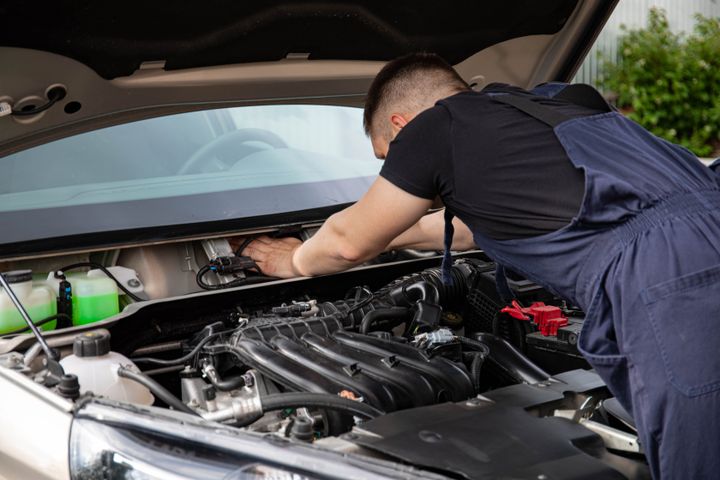
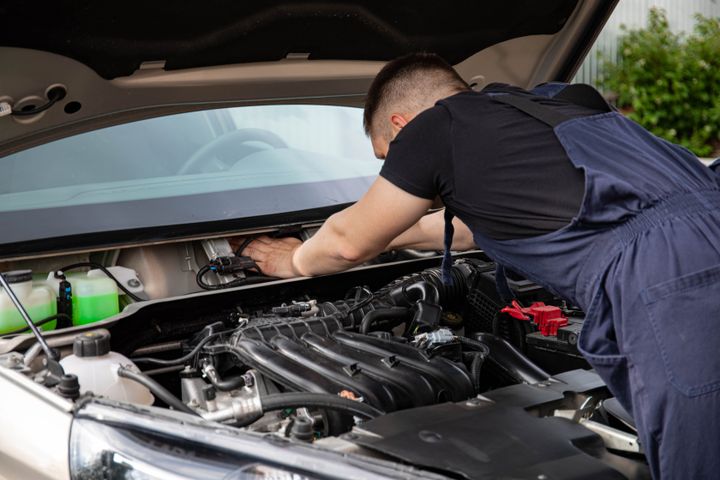
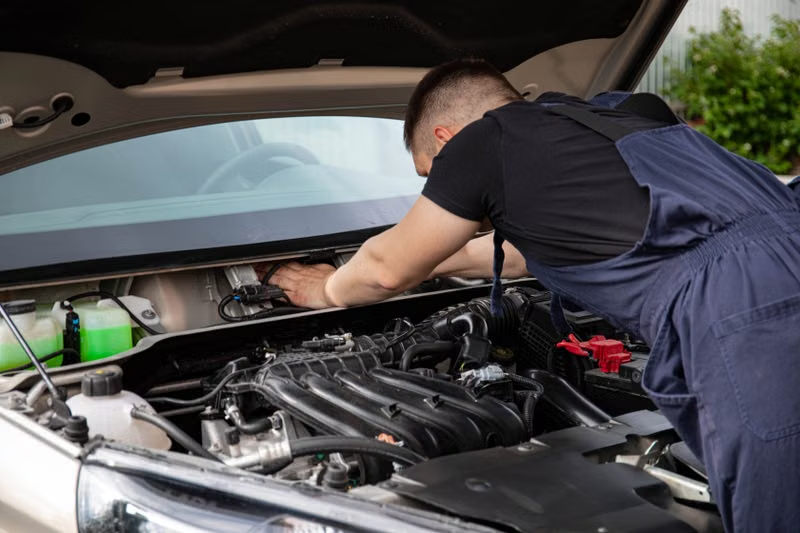
To replace the purge valve, first locate the part, which is typically found near the intake manifold or the firewall. Disconnect the electrical connector and carefully release the fuel vapor hoses attached to the valve. Be mindful of plastic clips, as they can become brittle and break easily due to engine heat.
Once the old valve is removed, compare it with the new unit to ensure the hose ports and electrical connections match. Install the new valve, reconnect the hoses, and plug in the electrical connector. Ensure all connections are tight to prevent a new leak from forming at the connection points. Clear the P0455 code using an OBD-II scanner and drive the vehicle through a complete drive cycle to allow the computer to verify the repair.
The Role of the Fuel Cap
Why Gas Cap Issues Trigger P0455
The fuel cap is the most common point of failure in the EVAP system because it is the only part that the driver interacts with regularly. Every time you fill up at the gas station, you are opening the seal of the EVAP system. If the cap is not tightened until it clicks, or if the gasket fails, the system loses the vacuum necessary to pass the onboard diagnostic test.
It is important to note that many modern vehicles have capless fuel systems. In these designs, a spring-loaded flap replaces the traditional screw-on cap. If debris gets trapped in the flap or the seal becomes distorted, it can cause the same P0455 code. Maintenance for these systems involves cleaning the filler neck area with a damp cloth to ensure no dirt prevents the flap from closing fully.
Choosing the Right Replacement Cap
When replacing a gas cap, avoid cheap aftermarket alternatives that do not meet OEM specifications. A cap that does not provide the exact pressure seal required by your vehicle’s manufacturer will continue to trigger the P0455 code regardless of its physical appearance. Always check your owner’s manual or use your VIN to ensure you are purchasing a compatible part.
Maintaining the EVAP System
Preventative Maintenance Tips
To avoid recurring P0455 errors, practice good refueling habits. Do not top off your gas tank after the nozzle clicks off. Overfilling the tank can force liquid fuel into the charcoal canister, which is designed to handle only vapors. This can ruin the canister, leading to expensive repairs and persistent check engine lights.
Regularly cleaning your fuel filler area and inspecting the rubber hoses during routine oil changes can prevent many of these issues. If you live in an area with salted roads, keep an eye on the metal lines and plastic components under the vehicle, as corrosion can weaken these parts over time, leading to small leaks that eventually turn into gross leaks.
When to See a Professional
If you have replaced the gas cap, checked the purge valve, and inspected all accessible lines without success, the leak may be located in the fuel tank itself or in an area that is difficult to access, such as above the fuel tank or behind the chassis frame. In these cases, professional diagnostic equipment, such as a high-pressure smoke test or specialized EVAP diagnostic software, is necessary.
Conclusion
Addressing a P0455 code requires a methodical approach that prioritizes the most common failure points, such as the fuel cap and purge valve, before moving toward more complex diagnostics. By understanding the function of the EVAP system and performing a careful physical inspection, most vehicle owners can identify and resolve the source of a gross leak. Maintaining a clean fuel filler area and avoiding overfilling the tank serve as the best defenses against future emissions-related errors, ensuring your vehicle remains efficient, environmentally compliant, and free of persistent check engine warnings.
Frequently Asked Questions
Is it safe to drive with a P0455 code?
Yes, it is generally safe to drive with a P0455 code, as it does not typically affect the mechanical performance of the engine. However, you should address it as soon as possible to prevent potential secondary issues, improve fuel efficiency, and pass state emissions testing.
Can a P0455 code cause my car to fail an emissions test?
Yes, in most regions, a check engine light triggered by an EVAP system error will cause an immediate failure during a state emissions or smog inspection. The computer must show that the system is ready and functioning correctly to pass.
How much does it cost to fix a P0455 code?
The cost varies significantly depending on the cause. A gas cap replacement may cost between $20 and $50, while a purge valve replacement usually ranges from $100 to $300 at a shop. Major repairs, such as replacing a charcoal canister, can cost significantly more.
Will a P0455 code go away on its own?
If the issue was a loose gas cap, the light may turn off automatically after several drive cycles once the computer detects a proper seal. However, if the underlying component is faulty, the light will remain on until the part is replaced and the code is cleared.
References
- Environmental Protection Agency (EPA) - Vehicle Emissions Control Systems Overview.
- Society of Automotive Engineers (SAE) - J1979 Diagnostic Test Modes.
- Vehicle Manufacturer Service Manuals (General OEM Specifications).