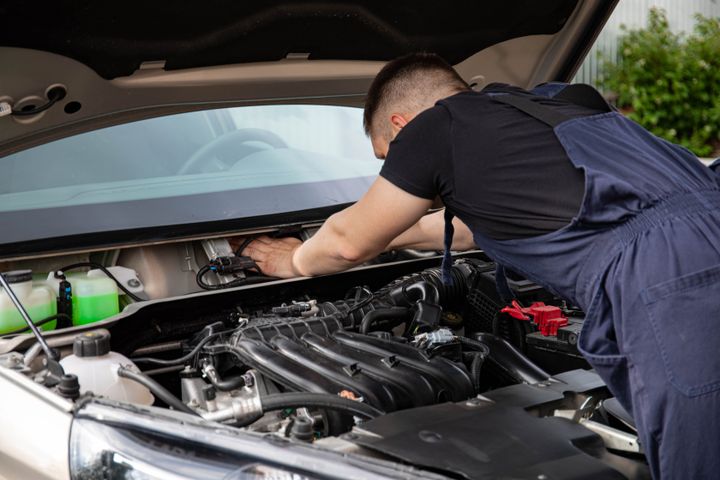
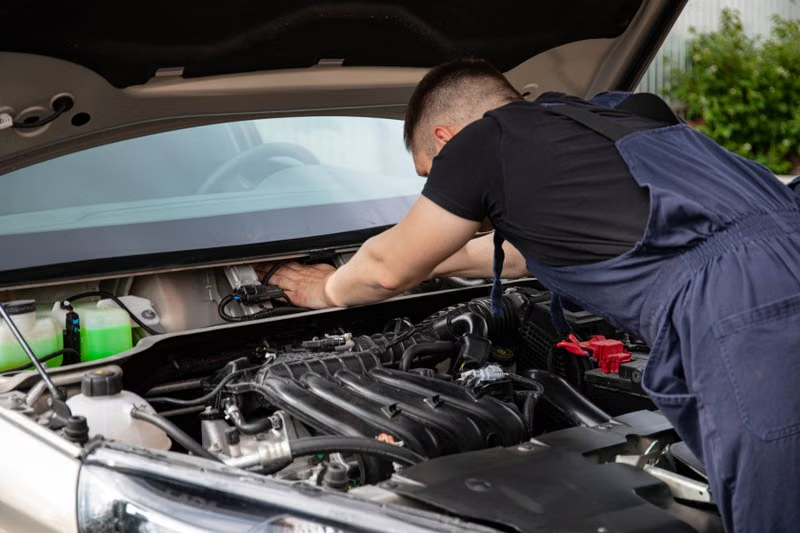
The P0174 diagnostic trouble code indicates that the engine control module has detected a lean condition in Bank 2 of the engine. A lean condition signifies that there is an excess of air or a deficiency of fuel in the air-fuel mixture, which disrupts the delicate balance required for optimal combustion. Because Bank 2 specifically refers to the side of the engine that does not contain the number one cylinder, identifying the root cause requires a methodical approach to vacuum integrity and fuel delivery systems.
Left unaddressed, a persistent lean condition can lead to poor fuel economy, rough idling, hesitation during acceleration, and potential damage to critical components such as the catalytic converter. This guide provides a deep dive into the most common culprits behind this code, specifically focusing on intake manifold gaskets and the positive crankcase ventilation system, while outlining the diagnostic procedures necessary to restore your vehicle to peak performance.
Common Causes of P0174 Bank 2 Lean Codes
Vacuum Leaks and Intake Manifold Gaskets
The intake manifold gasket is responsible for creating an airtight seal between the intake manifold and the cylinder head. Over time, these gaskets can degrade due to heat cycles, chemical exposure, and vibration. When a seal fails, unmetered air enters the combustion chamber, bypassing the mass airflow sensor. Because the engine computer is unaware of this extra air, it cannot provide the necessary fuel to maintain the correct stoichiometric ratio.
In many vehicle configurations, the intake gasket is a primary suspect for Bank 2 lean codes. If the leak occurs near the runners associated with the cylinders in Bank 2, the oxygen sensor for that bank will detect high levels of oxygen in the exhaust stream. This triggers the fuel trim levels to spike as the engine computer attempts to compensate for the perceived lean condition by adding more fuel, eventually hitting a threshold that sets the P0174 code.
PCV System Failures and Hose Degradation
The positive crankcase ventilation system is designed to vent harmful gases from the crankcase back into the intake manifold to be burned during the combustion process. This system includes the PCV valve and various rubber hoses that route these vapors. If a hose becomes cracked, brittle, or disconnected, it acts as a significant vacuum leak. Similarly, if a PCV valve becomes stuck in the open position, it creates a constant unmetered air path into the intake.
The impact of a PCV system failure on Bank 2 is often significant because the intake port for the PCV system is frequently located in a position that disproportionately affects one side of the engine's air distribution. Checking the integrity of these hoses and the functionality of the valve itself is a critical step in diagnosing a P0174 error, as these components are often overlooked in favor of more expensive repairs like fuel injectors or mass airflow sensors.
Diagnostic Procedures for Intake Manifold Issues
Performing a Smoke Test for Vacuum Leaks
A smoke test is the gold standard for identifying hidden vacuum leaks that are not immediately visible to the naked eye. By introducing professional-grade smoke into the intake system while the engine is off, a technician can observe where the smoke escapes. Any point where smoke emerges—whether from a gasket seam, a cracked hose, or a vacuum port—is a confirmed entry point for unmetered air.
When performing this test, ensure that the throttle body is sealed to prevent the smoke from escaping through the air intake tube. It is also important to verify that the PCV system is connected during the test, as this will help identify if the leak is originating from the valve or the associated piping. This visual confirmation eliminates guesswork and prevents the unnecessary replacement of functional parts.
Testing Fuel Trim Values with a Scan Tool
Modern vehicles provide real-time data on fuel trim, which is categorized into short-term and long-term adjustments. When a P0174 code is present, the long-term fuel trim for Bank 2 will typically show a significant positive percentage, indicating that the computer is continuously adding fuel to compensate for a lean condition. Monitoring these values while the engine is at idle and while it is under load can help narrow down the source of the issue.
| Condition | Fuel Trim Indicator | Potential Meaning |
|---|---|---|
| High Trim at Idle | Positive | Likely a vacuum leak downstream of the MAF sensor. |
| High Trim at RPM | Positive | Possible fuel delivery issue or mass airflow sensor error. |
| Normal Trim | Near Zero | The lean condition may be intermittent or recently resolved. |
Replacing Intake Gaskets and PCV Components
Step-by-Step Intake Manifold Gasket Replacement
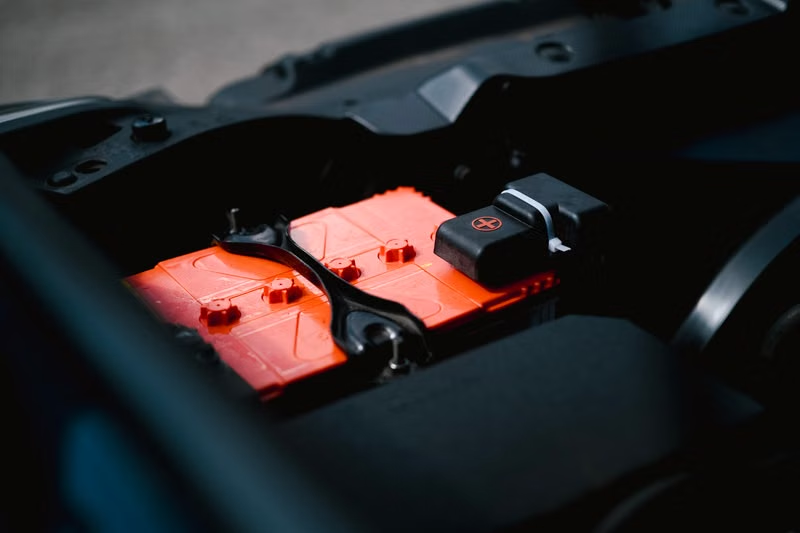
Replacing the intake manifold gasket is a labor-intensive process that requires removing the upper intake plenum. First, ensure the engine is completely cool to prevent warping of the manifold components. Disconnect the negative battery terminal and remove any electrical connectors, fuel lines, and vacuum hoses attached to the manifold. It is advisable to label every connector to ensure proper reassembly.
Once the manifold is removed, thoroughly clean the mating surfaces on both the cylinder head and the intake manifold. Using a plastic scraper, remove all remnants of the old gasket material without gouging the metal. Install the new gaskets according to the manufacturer's torque specifications, utilizing a star-pattern sequence to ensure even pressure across the manifold surface. This prevents future leaks and ensures a long-lasting seal.
PCV Valve Maintenance and Hose Repair
The PCV valve is generally an inexpensive and easy-to-replace component. Located on the valve cover or intake manifold, it can usually be removed by turning it counter-clockwise or pulling it from its grommet. Before installing a new valve, shake it to ensure the internal plunger moves freely; a rattling sound indicates a healthy valve, while silence suggests it is clogged with oil sludge.
When addressing the PCV system, never ignore the rubber hoses. If the hoses show signs of hardening or cracking, replace them entirely. Using high-quality, oil-resistant automotive-grade hose is essential, as standard tubing will fail quickly under the intense heat and chemical environment of the engine bay. Secure all connections with appropriate clamps to prevent future air leaks.
Advanced Diagnostic Considerations
Distinguishing Between Bank 1 and Bank 2 Issues
A common misconception is that a lean condition must be caused by a sensor failure if it only affects one bank. However, if the vacuum leak is specific to the intake geometry of the engine, it will logically manifest as a single-bank lean code. If both P0171 and P0174 are present, the issue is more likely related to a shared component, such as the mass airflow sensor, a large intake boot leak, or a failing fuel pump.
By comparing the data between Bank 1 and Bank 2, you can effectively isolate the area of concern. If one bank shows normal fuel trim and the other shows high positive trim, the problem is localized to the intake path or exhaust components of that specific bank. This narrows the scope of your inspection significantly, saving time and resources during the troubleshooting process.
The Role of Exhaust Leaks in Lean Diagnostics
While intake leaks are the most common cause of a P0174 code, an exhaust leak located before the oxygen sensor can also trick the computer. An exhaust leak can allow fresh air to enter the exhaust stream, which the oxygen sensor detects as an lean condition. The computer then adds fuel, resulting in a lean code despite the engine actually running rich. Always inspect the exhaust manifold and gaskets for signs of soot or clicking noises that indicate a leak.
Conclusion
Resolving a P0174 System Too Lean (Bank 2) error requires a systematic diagnostic approach that prioritizes vacuum integrity and fuel delivery accuracy. By focusing on intake manifold gaskets, PCV valve functionality, and hose condition, most owners can identify and repair the root cause of the lean condition. Always utilize a scan tool to monitor live fuel trim data to confirm your findings, and ensure that all replacement parts meet or exceed original equipment manufacturer specifications to prevent the recurrence of this performance-inhibiting fault.
Frequently Asked Questions
Can I drive with a P0174 code?
While you can technically drive the vehicle, it is not recommended for long periods. A lean condition can lead to engine misfires, reduced fuel efficiency, and catastrophic failure of the catalytic converter due to overheating, which is a significantly more expensive repair.
How do I know if my PCV valve is bad?
A bad PCV valve often causes rough idling, oil leaks from increased crankcase pressure, or excessive oil consumption. You can test it by removing it and shaking it; if it does not rattle, or if it is stuck open, it needs to be replaced.
Will a dirty Mass Airflow Sensor cause a P0174?
Yes, a dirty or faulty Mass Airflow Sensor can cause lean conditions. However, if the issue were strictly the MAF, you would typically see P0171 and P0174 codes simultaneously, as the MAF affects both banks of the engine equally.
What is the difference between P0171 and P0174?
P0171 indicates a lean condition in Bank 1, while P0174 indicates a lean condition in Bank 2. Both point to the same types of problems, but the location of the fault is specific to the side of the engine mentioned in the code.
References
- Society of Automotive Engineers (SAE) OBD-II Diagnostic Standards.
- Environmental Protection Agency (EPA) Vehicle Emissions and Diagnostic Guidelines.
- Manufacturer-specific Service Manuals and Technical Service Bulletins (TSBs).