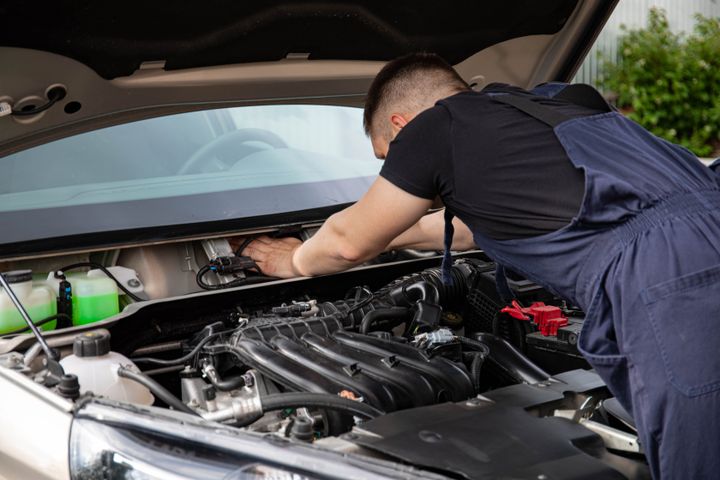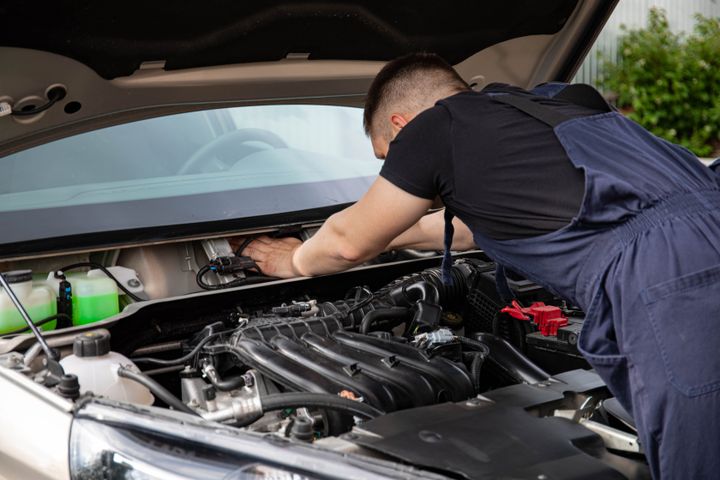
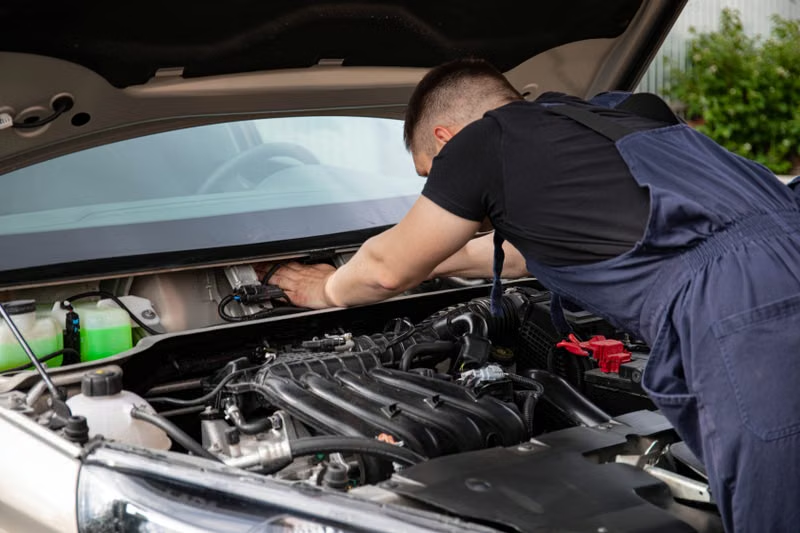
The appearance of a check engine light accompanied by the P0016 diagnostic trouble code is a moment of significant frustration for any vehicle owner. This specific code signals a crankshaft/camshaft timing correlation error, meaning the engine control module has detected that the position of the camshaft does not align with the position of the crankshaft as dictated by the factory-programmed timing map. Because the timing of valve opening and closing is critical to engine performance, efficiency, and longevity, this fault code should never be ignored.
Differentiating between a failed Variable Valve Timing (VVT) solenoid and a stretched timing chain is the most important step in the diagnostic process. While both issues trigger the same warning light, the implications for your engine are drastically different. A faulty solenoid is often a minor electrical or hydraulic repair, whereas a stretched chain represents a major mechanical failure that, if left unaddressed, can lead to catastrophic piston-to-valve contact and total engine destruction.
Understanding the Mechanics of P0016
How the Crankshaft and Camshaft Communicate
The crankshaft and camshaft are connected via the timing chain or belt. The crankshaft tracks the position of the pistons, while the camshaft controls the opening and closing of intake and exhaust valves. Sensors on both components send signals to the Engine Control Unit (ECU). The ECU constantly compares these signals to ensure that the valves open at the exact millisecond the pistons reach their designated positions.
When the P0016 code is thrown, the ECU has realized that the physical timing is off by a degree that exceeds its tolerance threshold. This can happen due to mechanical wear, hydraulic pressure issues, or electrical signal failure. Understanding this relationship helps technicians determine whether the timing is truly misaligned (mechanical stretch) or if the signal being sent to the ECU is being influenced by external factors like oil flow control (VVT solenoid).
The Role of the VVT Solenoid in Timing
The VVT solenoid is an electronically controlled hydraulic valve that directs oil pressure into the camshaft phaser. By altering the oil flow, the phaser can advance or retard the camshaft timing to improve fuel economy or power. If the solenoid becomes clogged with debris or suffers from an internal electrical short, it may fail to adjust the camshaft position as commanded.
When the solenoid fails, the camshaft may remain stuck in one position. Even if the timing chain is perfectly healthy, the ECU detects that the camshaft is not in the place it should be based on the current engine load. This creates a perceived timing error, causing the system to store the P0016 code even though the foundational mechanical timing is technically intact.
Symptoms of Timing System Issues
Common Performance Indicators
Drivers rarely notice the P0016 code in isolation. Usually, the vehicle exhibits tangible drivability issues. A common symptom is a rough idle, where the engine vibrates excessively or fluctuates in RPM while stopped. This occurs because the valve timing is not optimized for low-speed operation, causing incomplete combustion in one or more cylinders.
Additionally, users often report a noticeable loss of power during acceleration. Since the VVT system cannot adjust the camshaft for high-RPM performance, the engine feels sluggish or unresponsive. In some cases, the engine may even struggle to start, or you might notice a sudden drop in fuel efficiency as the ECU forces the engine into a fail-safe mode to prevent further damage.
The Danger of Ignoring the Code
Many drivers choose to clear the code and continue driving, hoping it was a one-time glitch. This is a dangerous gamble. If the underlying cause is a stretched timing chain, the chain is literally becoming loose on its guides. A loose chain can jump teeth on the camshaft gear, causing the valves to stay open when the piston is rising.
This results in an interference engine scenario. The piston hits the valves, bending them instantly and potentially damaging the cylinder head or the piston crown itself. At this point, the cost of repair shifts from a few hundred dollars for a chain kit to several thousand dollars for a complete cylinder head rebuild or engine replacement.
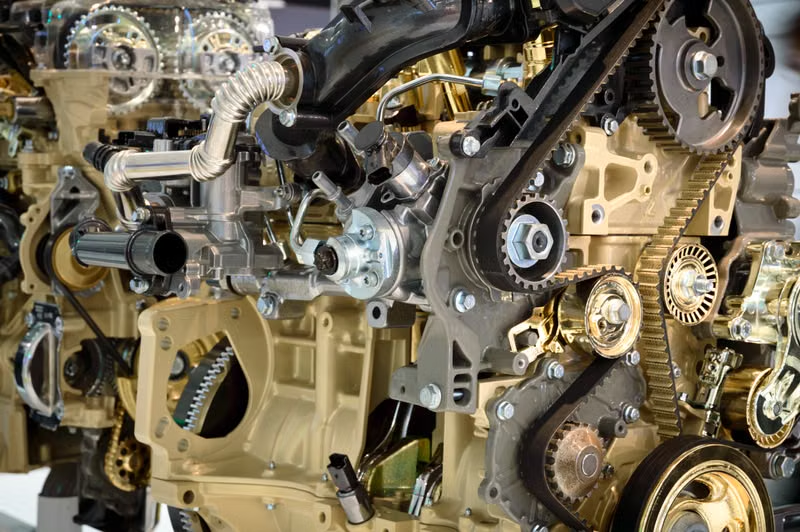
Diagnostic Comparison: VVT Solenoid vs. Stretched Chain
How to Test the VVT Solenoid
Testing the solenoid is relatively straightforward and should be your first point of action. Begin by checking the electrical connector for corrosion or loose pins. Use a multimeter to measure the resistance across the solenoid terminals; a reading that deviates from the manufacturer specifications usually indicates an internal coil failure.
Beyond electrical tests, you can perform a physical inspection. Remove the solenoid and check the fine mesh screens for sludge or metal debris. Modern engines are highly sensitive to oil quality. If the oil has not been changed frequently, small particles can get trapped in the screen, preventing the valve from moving freely. Cleaning or replacing a dirty solenoid is often sufficient to resolve a P0016 code caused by hydraulic issues.
Identifying a Stretched Timing Chain
If the solenoid tests perfectly, the focus must shift to the mechanical timing chain. A stretched chain is usually the result of high mileage or chronic oil starvation. The pins and links inside the chain wear down over time, effectively increasing the length of the chain. Because the chain is longer, it can no longer keep the camshaft gear in the correct orientation relative to the crankshaft.
Technicians use specialized software to look at live data streams. They compare the desired camshaft angle to the actual angle. If the actual angle is consistently off by a static amount, regardless of the VVT solenoid command, the chain is almost certainly stretched. Some engines also have inspection ports that allow a technician to see the tensioner extension; if the tensioner is fully extended, the chain has reached its limit.
Technical Diagnostic Table
| Symptom/Feature | VVT Solenoid Issue | Stretched Timing Chain |
|---|---|---|
| Engine Noise | Usually quiet | Often rhythmic rattling or clicking |
| Diagnostic Data | Inconsistent angle changes | Consistent, static offset |
| Maintenance History | Poor oil change intervals | High mileage or extreme stress |
| Repair Difficulty | Low (External component) | High (Engine teardown required) |
Preventative Maintenance Strategies
The Importance of Oil Quality
The single most effective way to prevent both VVT solenoid failure and timing chain stretch is rigid adherence to oil change intervals. The timing chain tensioner relies on oil pressure to stay tight. If the oil is dirty, the tensioner may stick, causing the chain to flap and accelerate its wear. Furthermore, the VVT system is entirely dependent on clean oil to operate the hydraulic actuators.
Use only the oil viscosity and quality specification recommended by your vehicle manufacturer. Using an oil that is too thick or too thin can interfere with the hydraulic sensitivity required by the VVT phasers. Always use high-quality oil filters to ensure that small particulates do not reach the sensitive solenoid screens.
Monitoring Engine Health
Beyond oil changes, utilize an OBD-II scanner to monitor your engine periodically. Even if the check engine light is not on, some systems store pending codes. If you see a P0016 pending, it gives you a window of opportunity to inspect the system before it becomes a major failure. Listen for startup rattles, which are often the first audible sign that a timing chain is losing tension.
If your vehicle is known for timing chain issues, research the specific service interval for that component. Many manufacturers suggest inspections at high mileage, and some specific models have updated part numbers for tensioners and chains that are more durable than the originals. Replacing these parts before they reach the point of failure is a proactive way to avoid the P0016 code entirely.
Conclusion
The P0016 error code is a critical alert that your engine's internal synchronization is compromised, requiring immediate professional attention to avoid mechanical catastrophe. While a malfunctioning VVT solenoid is a manageable issue often linked to oil maintenance, a stretched timing chain represents a significant mechanical degradation that demands urgent replacement. By systematically testing the solenoid's electrical and hydraulic function first, you can effectively isolate the root cause, ensuring that you invest in the correct repair and restore your vehicle’s performance, safety, and reliability.
Frequently Asked Questions
Can I drive with a P0016 code?
It is strongly advised against. While the car may start and drive, you risk severe engine damage, including bent valves and piston failure, if the timing chain skips a tooth while the engine is under load.
Does a P0016 code always mean a new timing chain?
No. If the error is caused by a faulty VVT solenoid, a dirty oil control valve, or even a bad camshaft position sensor, a new chain is not required. Proper diagnostics are essential to avoid unnecessary expense.
How much does it cost to fix P0016?
If the issue is a VVT solenoid, the cost is typically in the range of $150 to $400. If the timing chain requires replacement, the labor-intensive nature of the job often puts costs between $1,500 and $3,500 depending on the vehicle model.
Can low oil cause P0016?
Yes. Low oil levels lead to low oil pressure, which prevents the VVT solenoid and the timing chain tensioner from operating correctly. Always check your oil level as the first step when this code appears.
References
- Society of Automotive Engineers (SAE) J1979 Diagnostic Standards.
- Manufacturer Service Manuals for Variable Valve Timing System Diagnostics.
- National Institute for Automotive Service Excellence (ASE) Engine Repair Guidelines.