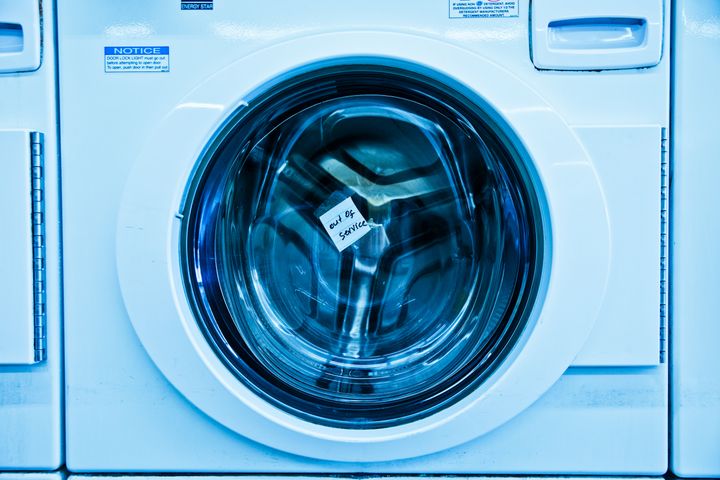
The 3C error code on a Samsung washing machine is one of the most common indicators that the appliance has detected an issue with the drive motor or the feedback loop responsible for monitoring its rotation. When the control board fails to receive a consistent signal from the motor, or if it detects an abnormal current draw, it halts the wash cycle to prevent further damage to the internal components. Understanding this error requires a shift from viewing the washer as a simple appliance to seeing it as a complex electromechanical system where sensor data is critical for operation.
For most homeowners, seeing this code can be alarming, especially when the drum is full of water or laundry. However, the 3C error is rarely a sign that the entire machine needs to be replaced. In the vast majority of cases, the fault lies within the electrical connectivity between the motor and the main control board, or a degradation of the hall sensor itself. By following a structured diagnostic path, you can isolate the specific point of failure and determine whether the repair involves a simple wiring adjustment or the replacement of a specific sensor component.
This guide serves as a technical roadmap for troubleshooting the Samsung 3C error. We will move beyond basic power-cycling techniques to address the root causes, including wiring integrity, sensor malfunctions, and potential electronic board issues. Safety remains the primary concern throughout this process, and users are encouraged to ensure the machine is disconnected from all power and water sources before beginning any physical inspection of the internal hardware.
Understanding the 3C Error Mechanism
What the 3C Code Represents
The 3C code is essentially a communication error. Inside your Samsung washer, the motor is equipped with a hall sensor, a small device that tracks the speed and position of the motor shaft. This data is sent back to the main control board (PCB) to ensure that the drum is spinning at the correct velocity requested by the selected cycle. If the PCB stops receiving these pulses, or if the pulses arrive in an erratic pattern, the software triggers the 3C error to protect the motor from overheating or mechanical stress.
This error is distinct from mechanical blockage codes. While a stuck drum might cause a motor to work harder, the 3C error specifically points to the electronic feedback loop. It suggests that the brain of the machine is either not getting a signal or is seeing a signal that makes no sense in the context of the current operation. This is why the issue can manifest during different stages of the wash, such as during the initial agitation or the high-speed spin cycle.
Common Causes of the 3C Fault
Several factors can lead to this specific error state. The most frequent culprit is a loose or oxidized wire harness connection between the motor and the control board. Over time, the constant vibration of the machine during high-speed spins can cause connectors to wiggle loose or create micro-abrasions in the wiring insulation. Additionally, moisture ingress can cause corrosion on the terminals, leading to increased resistance that the sensitive control board interprets as a sensor failure.
Another common cause is the failure of the hall sensor itself. Like any electronic component, these sensors are subject to heat stress and electrical surges. When the sensor fails, it stops sending the necessary square-wave signals to the control board. Finally, although less common, the motor windings themselves might be developing an internal short, or the main control board might have a fried relay or input circuit that is no longer capable of reading the sensor input correctly.
Step-by-Step Diagnostic Procedures
Initial Power Reset and Inspection
Before disassembling the machine, it is standard practice to perform a hard reset. Unplug the washing machine from the wall outlet and leave it disconnected for at least ten to fifteen minutes. This allows the capacitors on the main control board to discharge completely, potentially clearing any temporary data glitches that might be triggering a false positive for the 3C error. After the waiting period, reconnect the power and attempt a simple drain-and-spin cycle to see if the error persists.
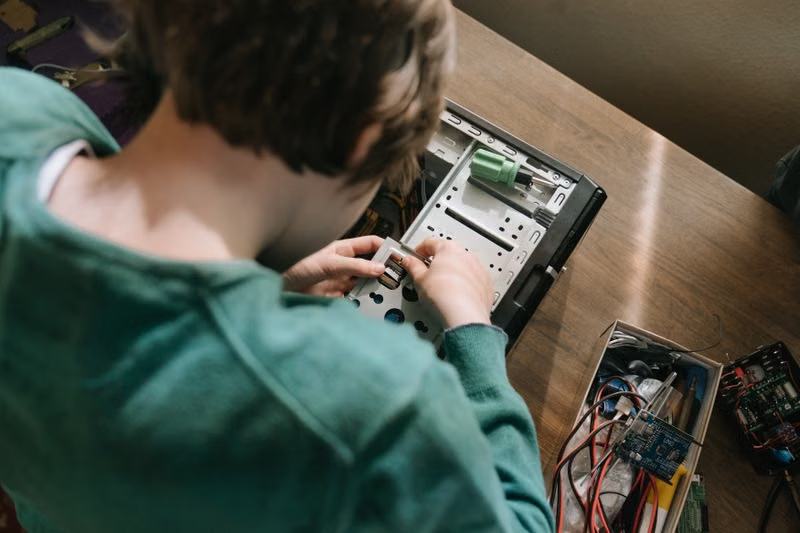
If the error returns immediately or after a few seconds of operation, physical inspection is required. You will need to access the rear of the machine. Remove the back panel by unscrewing the mounting bolts. Once inside, look for the motor assembly located at the bottom of the drum. Visually inspect the wire harness that runs from the motor to the main control board. Check for any signs of burned insulation, pinched wires, or loose connections.
Testing the Wiring Terminals
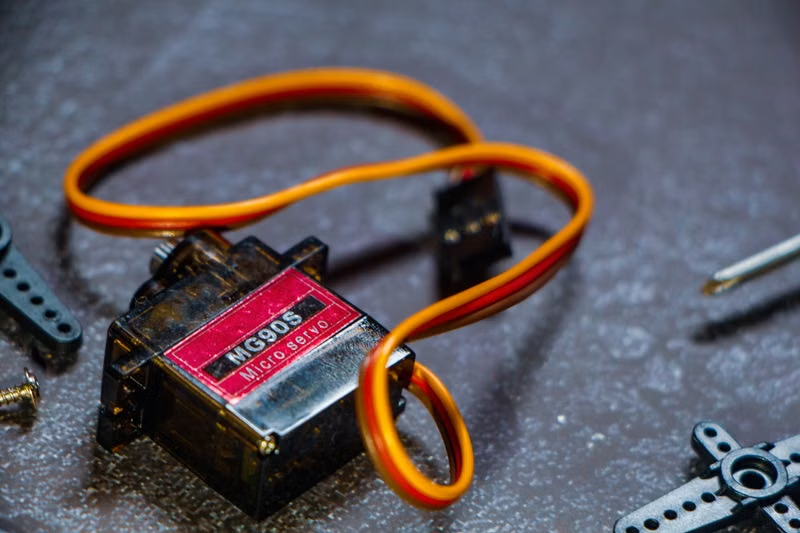
To verify the integrity of the wiring, you will need a digital multimeter. Set the multimeter to measure continuity or low resistance (Ohms). Disconnect the wiring harness from the motor and, if possible, from the control board. Test each wire individually to ensure there is no break in the line. A wire that shows infinite resistance when it should have continuity indicates a broken circuit, which is a common reason for the 3C error.
While testing, pay close attention to the terminals themselves. Look for discoloration or green/white powdery residue, which indicates oxidation. If you find corrosion, you can use a small amount of electrical contact cleaner and a soft brush to restore the connection. Ensure that the terminals are tight when reconnected. A loose terminal can cause intermittent signals, leading to an error code that appears and disappears unpredictably.
Advanced Component Troubleshooting
How to Test the Hall Sensor
Testing the hall sensor requires a bit more precision. With the motor removed or exposed, locate the hall sensor mounted on the back of the motor housing. It is typically a small plastic component held in place by a single screw or a clip. You can check the sensor by measuring the voltage output while manually turning the motor shaft. As the motor turns, the sensor should produce a fluctuating voltage signal.
If the voltage remains static regardless of the motor movement, the sensor is likely dead. Replacing the hall sensor is significantly cheaper than replacing the entire motor assembly. Ensure that you purchase the exact replacement part compatible with your specific model number, as these sensors vary in voltage requirements and mounting patterns across different Samsung washer chassis designs.
Evaluating the Motor Windings
If the wiring is intact and the hall sensor is functioning, the motor itself may be the issue. Check the resistance of the motor windings using your multimeter. You should look for balanced resistance values across the three phases of the motor. A significant deviation in resistance between any of the phases suggests a shorted winding, which will prevent the motor from spinning correctly and trigger the 3C error due to the imbalance.
If the windings are healthy but the motor does not spin, check the motor brushes if your model uses a brushed motor. While most modern Samsung machines use direct-drive motors, some older or specific economy models still use carbon brushes. These brushes wear down over time and can cause the motor to lose power or fail to start, which can also result in a 3C code being registered by the controller.
Comparison of Potential Failure Points
| Component | Common Symptom | Repair Difficulty |
|---|---|---|
| Wiring Harness | Intermittent error, machine stops mid-cycle | Moderate |
| Hall Sensor | Immediate error at start of cycle | Easy |
| Main Control Board | Persistent error despite good sensor/wiring | Advanced |
| Motor Windings | Burning smell, grinding noise, no spin | Difficult |
Preventive Maintenance and Best Practices
Managing Vibration and Wear
The primary enemy of your washer’s electrical components is vibration. Ensuring that your washing machine is perfectly level is the most effective way to prevent the 3C error from recurring. Use a spirit level on the top of the machine and adjust the feet until the unit is stable. When a machine is off-balance, the internal components, including the motor and the wiring harness, are subjected to excessive stress during high-speed spin cycles.
Additionally, avoid overloading the drum. Overloading causes the motor to work harder than its rated capacity, which increases heat. Excessive heat can degrade the hall sensor and the insulation on the wires over time. By keeping your loads within the recommended weight limits, you significantly extend the lifespan of the motor assembly and reduce the likelihood of sensor-related communication errors.
Electrical Surge Protection
Since the 3C error is often tied to the control board, protecting your appliance from voltage spikes is vital. If your home experiences frequent power fluctuations, consider using a high-quality surge protector specifically designed for appliances. The control boards in modern Samsung washers are highly sensitive to voltage irregularities, and a sudden surge can damage the input circuitry that reads the motor’s hall sensor pulses.
If you have recently experienced a power outage or a lightning storm before the error appeared, the issue might be an electronic fault on the PCB rather than a mechanical failure. In such cases, a simple wiring check might not resolve the issue, and you may need to consider having the control board inspected or replaced by a qualified technician.
Conclusion
The 3C error code on a Samsung washing machine is a manageable issue that typically stems from a breakdown in the communication loop between the motor's hall sensor and the control board. By systematically checking the wiring for continuity and oxidation, verifying the health of the hall sensor, and ensuring the motor is free of mechanical defects, most users can successfully resolve the problem without the need for professional service. Prioritizing safety, maintaining a level machine, and ensuring consistent electrical connections are the best strategies for both repairing and preventing this error in the future.
Frequently Asked Questions
Can I still wash clothes if the 3C error appears?
No, it is not recommended to attempt to wash clothes while the 3C error is active. The error indicates that the control board cannot safely monitor the motor speed, which could lead to overheating, drum damage, or further electrical failures within the main control unit.
Is it always necessary to replace the motor when 3C appears?
Rarely. In most cases, the 3C error is caused by a loose wiring harness, a corroded terminal, or a faulty hall sensor. Replacing the entire motor assembly is usually a last resort after all other diagnostic steps have been exhausted.
How do I know if the control board is the problem?
If you have verified that the wiring is intact, the hall sensor is outputting a signal, and the motor windings are balanced, but the 3C error remains, it is highly likely that the main control board is damaged and failing to interpret the sensor data correctly.
Are Samsung washer parts universal?
No. While many parts look similar, they are specific to certain model numbers and chassis designs. Always check your washer's model number on the manufacturer's label before purchasing replacement sensors or boards.
Can I clean the wire terminals with water?
Absolutely not. Never use water to clean electrical terminals. Use a dedicated electrical contact cleaner spray that is designed to evaporate quickly and leave no conductive residue behind.
References
- Samsung Support: Washing Machine Error Code Troubleshooting Guide.
- Appliance Repair Technical Manuals: Motor and Sensor Diagnostic Standards.
- Electrical Engineering Principles: Hall Effect Sensor Operation in BLDC Motors.