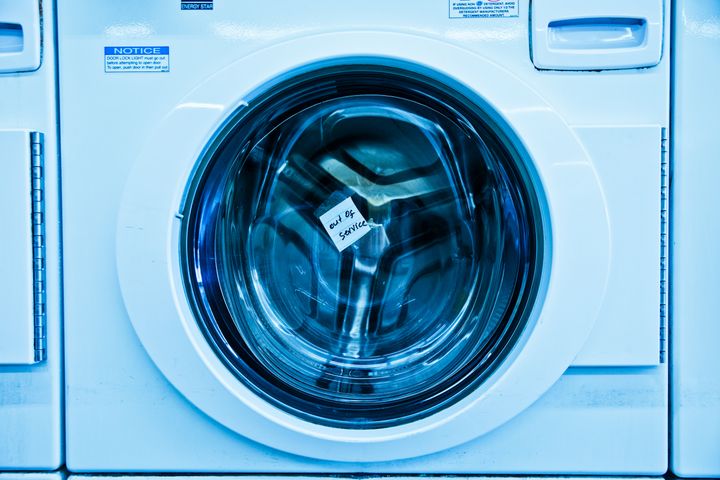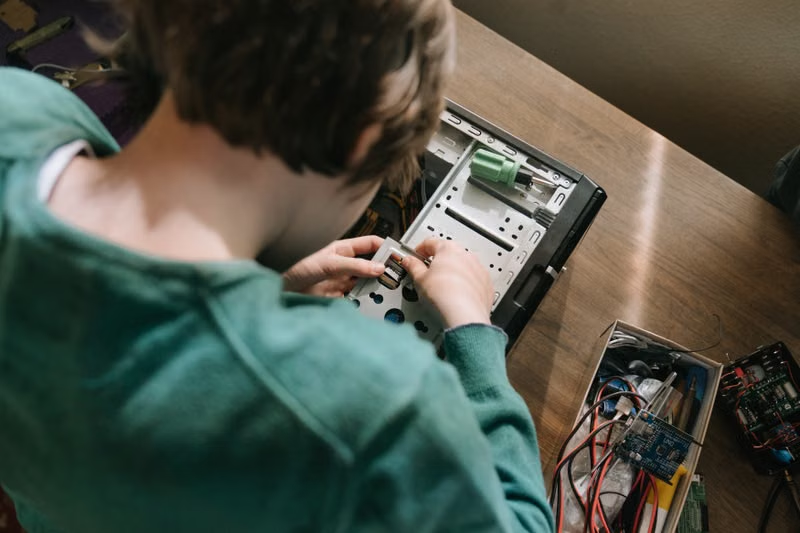
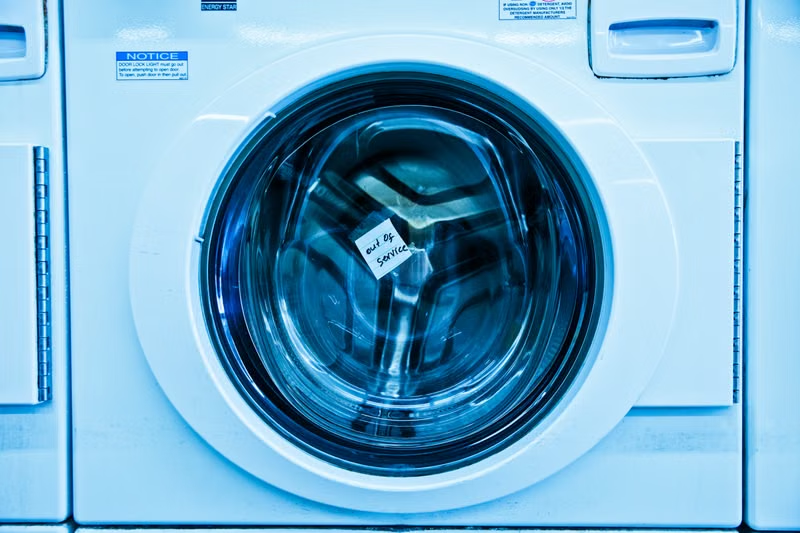
The FE error code on an LG washing machine is a specific indicator that the appliance has detected an overfilling condition. This usually happens when the machine continues to draw water despite reaching the designated fill level, or when the pressure sensor fails to communicate the correct water depth to the main control board. When this occurs, the washing machine enters a safety mode to prevent flooding, often resulting in the machine draining water continuously or refusing to start a cycle.
Understanding the root cause of this error requires a methodical approach, moving from simple software resets to more complex hardware diagnostics. Because this error involves both water intake and electrical sensing, it is crucial to approach the repair with both safety and accuracy in mind. This guide will walk you through the diagnostic process to ensure you can determine whether a simple reset is sufficient or if a component replacement is necessary.
What Does the FE Error Code Mean?
The Mechanics of Overfilling
At its core, the FE error is a safety mechanism. Washing machines rely on a component known as a pressure switch or a water level sensor to monitor the volume of water inside the drum. As water enters, air pressure increases within a small tube connected to this sensor. When the pressure reaches a specific threshold, the sensor sends a signal to the electronic control unit (ECU) to shut off the water inlet valves.
If the ECU does not receive this signal, or if the signal is inconsistent with the expected fill time, the system assumes that the sensor is faulty or that the water inlet valve is stuck in the open position. To protect your home from potential water damage, the machine triggers the FE error, stops the intake, and often engages the drain pump.
Common Triggers for Sensor Failure
Several factors can lead to this malfunction. The most common culprit is a blocked or cracked pressure tube. If the tube that carries air from the drum to the sensor is obstructed by debris or has a pinhole leak, the pressure reading will be inaccurate. Additionally, mineral buildup from hard water can interfere with the diaphragm inside the sensor, preventing it from clicking into the correct position when the drum is full.
How to Perform a Hard Reset
Initial Troubleshooting Steps
Before disassembling the machine, it is essential to perform a power cycle to rule out temporary software glitches. Unplug the washing machine from the wall power outlet completely. Once disconnected, press and hold the Start/Pause button for five to ten seconds. This action dissipates any residual electrical charge stored in the capacitors of the control board, which can sometimes clear lingering error codes.
After waiting for approximately ten minutes, plug the machine back in and attempt to start a simple spin or drain cycle. If the machine operates normally, the issue may have been a one-time communication error. If the FE code returns immediately upon power-up, the problem is likely persistent and hardware-related.
Checking for External Interference
Sometimes, the FE error is triggered by external factors rather than internal component failure. Ensure that your water supply hoses are not kinked or restricted, as inconsistent pressure can sometimes confuse the sensor. Furthermore, check the drain hose height. If the drain hose is inserted too deeply into the standpipe or is positioned too low, it can cause a siphon effect where water leaves the machine as fast as it enters, leading the sensor to report erratic levels.
Inspecting the Water Level Sensor
Locating the Sensor
The water level sensor is typically located at the top rear of the washing machine, underneath the top panel. You will need a screwdriver to remove the screws at the back of the machine that secure the top cover. Once the cover is slid back and removed, you will see a small, round plastic component with a thin plastic tube attached to it and an electrical wire harness connected to the side.
Testing for Continuity and Airflow
Carefully remove the thin plastic tube from the sensor. Inspect it for moisture, debris, or cracks. If you find water inside the tube, blow through it to clear it out, or replace the tube if it appears brittle or cracked. To test the sensor itself, you would typically need a multimeter to measure resistance. However, if the sensor is visibly corroded or if the air pressure does not trigger a distinct click, it is usually more cost-effective to replace the sensor entirely.
Evaluating the Overfilling Valve
How Inlet Valves Fail
The water inlet valve is an electromechanical device that opens when energized. Over time, the rubber seals inside the valve can degrade, or mineral deposits can prevent the plunger from seating correctly. If the valve remains stuck in the open position, the machine will continue to fill even when the power to the valve is cut. This is a common secondary cause of the FE error code.
Diagnostic Procedures for Valves
To determine if the valve is the issue, observe the machine while it is unplugged. If water continues to flow into the drum even when the machine is completely disconnected from power, the inlet valve is physically stuck and must be replaced. If the water only flows when the machine is plugged in, the control board may be sending constant power to the valve, indicating a faulty relay on the main circuit board.
Advanced Troubleshooting: Main Control Board
Signs of a Faulty ECU
If you have confirmed that the water level sensor is functional and the inlet valves are not stuck, the issue may reside within the main control board (ECU). The ECU is responsible for interpreting the signals from the sensor. If the board's internal circuitry is damaged due to power surges or moisture, it may fail to process the input, resulting in an FE error despite all other components working correctly.
Repair vs. Replacement Decisions
Replacing a control board is a significant repair. Before committing to this, ensure that all wire harnesses connecting the sensor to the board are secure and free of oxidation. Use a contact cleaner on the connectors to ensure a clean electrical path. If the error persists after verifying these connections, professional diagnosis is recommended before purchasing an expensive replacement board.
Maintaining Your LG Washing Machine
Preventing Future Sensor Issues
Regular maintenance can significantly extend the life of your sensors and valves. Use a high-quality washing machine cleaner once a month to prevent the buildup of detergent residue and limescale. This buildup is the primary cause of premature sensor failure. Additionally, ensure that you are not overloading the machine, as excessive vibration can loosen electrical connections over time.
Proper Detergent Usage
Using too much detergent can lead to excessive suds, which can enter the pressure tube and coat the sensor diaphragm. This creates a thick, sticky residue that prevents the sensor from reading air pressure accurately. Always follow the manufacturer's guidelines regarding detergent dosage to keep your internal components clean and functional.
Conclusion
The LG FE error code is a serious warning that your washing machine has lost the ability to accurately regulate water intake, necessitating immediate attention to the pressure sensor, inlet valves, or control board. By systematically inspecting the air tube for blockages, testing the integrity of the water level sensor, and verifying that the inlet valves are not physically stuck, you can effectively resolve the issue. While some repairs require technical knowledge, most instances of the FE error can be diagnosed through careful observation and basic component replacement, ensuring your appliance returns to reliable operation without the need for expensive service calls.
Frequently Asked Questions
Can I continue using my washing machine with the FE error code?
No, you should not attempt to use the machine. The FE code indicates an overfilling risk, which could lead to flooding in your laundry area or damage to the internal electrical components of the appliance.
Is the FE error always caused by a broken sensor?
Not necessarily. While the sensor is a common failure point, the FE error can also be caused by a stuck water inlet valve, a disconnected or clogged pressure tube, or a malfunction in the main control board.
How much does it cost to fix an LG FE error?
The cost depends on the part required. A new water level sensor is relatively inexpensive, while replacing the main control board can be quite costly. DIY repairs can save significantly on labor costs.
Can I clean the water level sensor?
It is generally not recommended to open or clean the internal mechanism of the sensor, as it is a sealed unit. If the sensor is faulty, it is best to replace it with a new, compatible part.
References
- LG Electronics Official Support: Washing Machine Error Code Troubleshooting Guide.
- Appliance Repair Technical Manuals: Pressure Switch and Inlet Valve Diagnostics.
- Consumer Reports: Washing Machine Maintenance and Safety Best Practices.