Modern dishwashers are sophisticated appliances that rely on complex electronic systems to manage wash cycles, water heating, and sensor feedback. When a Bosch dishwasher displays the E01 error code, it signifies a serious disruption in the communication between the primary control board and the power module. This error usually manifests as a complete cessation of the wash cycle, leaving dishes unwashed and often accompanied by a flashing light or a persistent beep.
Understanding this error requires a shift from basic plumbing knowledge to understanding electronic diagnostics. Because the power module acts as the brain of the machine, distributing electricity to the pump, heater, and valves, a failure here can render the entire unit inoperable. This guide provides a systematic approach to identifying whether the issue is a simple glitch, a wiring fault, or a catastrophic hardware failure requiring board replacement.
Before attempting any repairs, ensure you are comfortable working with electrical components. Always disconnect the power supply from the wall outlet and turn off the water supply to prevent electrical shock or flooding. The following sections will walk you through the diagnostic process, helping you determine if your Bosch dishwasher can be salvaged with minor adjustments or if a major component replacement is necessary.
Understanding the Bosch E01 Error Code
What the E01 Code Signifies
The E01 error is a diagnostic signal generated by the dishwasher's internal self-check routine. It specifically points toward the power module, which is the electronic interface responsible for executing commands sent from the main control board. When the internal software detects that it cannot send or receive signals from this module, it triggers the error to protect the appliance from potential electrical damage or fire hazards.
In many instances, the error occurs because the power module has detected an inconsistent voltage or a short circuit in one of the peripheral components, such as the circulation pump or the heating element. It is not always a sign that the board itself is dead, but rather that the board is unable to fulfill its operational requirements due to an external or internal obstruction.
Common Causes of Power Module Failure
Several factors can lead to the E01 failure. The most common culprit is a power surge that compromises the sensitive capacitors on the printed circuit board. Other frequent causes include moisture ingress, where steam or water leaks onto the electronic housing, causing corrosion on the copper traces. Additionally, worn-out wiring harnesses that have become brittle over years of heat exposure can create intermittent connections, triggering the error.
Preliminary Diagnostic Steps
Performing a Hard Reset
Before disassembling the machine, attempt a hard reset to rule out a software glitch. Disconnect the dishwasher from the power source for at least 15 to 20 minutes. This duration allows the capacitors on the control board to fully discharge, effectively clearing the volatile memory that may be holding the error state. After reconnecting the power, observe if the machine completes a normal cycle.
If the error returns immediately upon startup, the issue is likely hardware-related rather than a temporary software hang. In such cases, the diagnostic process must move toward physical inspection of the wiring and the control board assembly.
Checking for External Electrical Interference
Sometimes, the E01 error is caused by external electrical issues rather than the appliance itself. Check your kitchen's circuit breaker to ensure that the dishwasher is receiving a stable power supply. Fluctuations in voltage can confuse the control board. Ensure that the dishwasher is plugged into a dedicated circuit and that no heavy appliances are sharing the same line, which could cause voltage drops during the heating phase of the cycle.
Inspecting the Power Module and Wiring
Accessing the Control Board
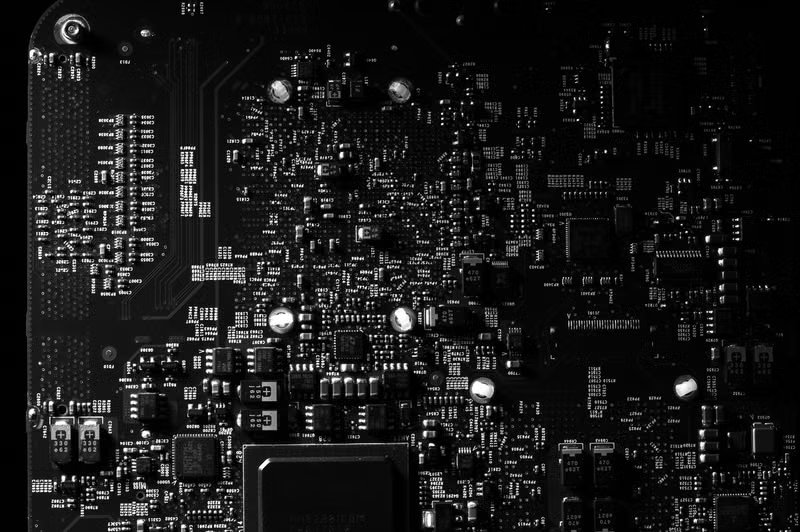
Accessing the control board usually requires removing the top panel or the front kickplate of the dishwasher, depending on your specific model. Once the panel is removed, look for a plastic housing that contains the main circuit board. You will need to carefully disconnect the wiring harnesses, noting their positions or taking a photograph for reference before removing the module.
Examine the board for visible signs of damage. Look for blackened components, burnt traces, or a distinct smell of ozone or burnt plastic. If you see any of these indicators, the power module has likely suffered a component failure and will require replacement.
Testing the Wiring Harness
Even if the board looks pristine, the wiring connecting it to the rest of the machine may be the source of the E01 error. Use a multimeter to test the continuity of the wires running from the power module to the circulation pump and the heating element. A broken wire within the harness can cause the control board to report a failure because it cannot detect the resistance of the components it is trying to activate.
Evaluating Component Resistance
The Circulation Pump Connection
The circulation pump is a major load on the power module. If the pump motor is seizing or has a shorted winding, the power module will fail to start it and throw an E01 code. Measure the resistance across the pump terminals. While specific values vary by model, a reading of zero or infinite resistance typically indicates a faulty pump that is dragging down the power module.
Heating Element Integrity
The heating element is another component that, when faulty, can trigger power-related errors. If the heating element has a ground fault, the control board will detect an imbalance and shut down the power module to prevent a safety hazard. Ensure that the heating element is not touching the metal housing of the dishwasher and that its resistance is within the manufacturer's specified range.
Determining Replacement vs Repair
When to Replace the Control Board
If you have verified that the wiring is intact and the peripherals (pump and heater) are functioning correctly, the control board is almost certainly the failure point. In modern Bosch dishwashers, these boards are often programmed at the factory for specific models. You must ensure that the replacement board is compatible with your specific E-number and FD-number found on the door label.
The Risks of Component-Level Repair
Some technicians attempt to replace individual capacitors or relays on the circuit board to save costs. While this is possible for experienced electronics hobbyists, it is generally discouraged for the average user. Replacing one component does not guarantee that the rest of the board is healthy, and a failed repair can lead to a fire hazard or further damage to the appliance.
Preventive Maintenance Tips
Protecting Electronics from Moisture
Moisture is the silent killer of dishwasher electronics. Ensure that the door seal is intact and that no steam is escaping from the top of the door during the drying cycle. If you notice condensation collecting near the control panel, replace the door seal immediately to prevent further damage to the electronics.
Utilizing Surge Protection
Given that the E01 error is often linked to power surges, using a high-quality surge protector or ensuring your home's electrical panel has a surge suppression device installed can significantly extend the life of your dishwasher's control board. This small investment can prevent the costly repair or replacement of the main module.
Conclusion
The Bosch dishwasher E01 error is a clear indicator that the power module or main control board is unable to communicate with the appliance's vital components. By methodically checking for software glitches, inspecting wiring harnesses, and evaluating the health of the circulation pump and heater, you can determine the root cause of the failure. While some issues can be resolved through simple resets or minor wiring repairs, most instances of E01 require professional board replacement to restore the dishwasher to full functionality. Always prioritize safety by disconnecting the power before performing any internal inspection or repair.
Frequently Asked Questions
Can a Bosch E01 error be fixed without professional repair?
Yes, if the error is caused by a temporary software glitch or a loose wiring connection. However, if the control board itself has failed, it typically requires a professional technician or a skilled DIYer to replace the part correctly.
How much does it cost to replace a Bosch dishwasher control board?
Costs vary depending on the model, but replacement boards typically range from $150 to $350, excluding labor costs if you hire a professional technician.
Is the E01 error dangerous?
The error itself is a safety mechanism designed to prevent further damage. However, if you notice burning smells or visible smoke, stop using the machine immediately and disconnect the power, as this indicates a severe electrical short.
Will a reset button fix the E01 error?
Bosch dishwashers do not have a dedicated reset button. A hard reset is performed by disconnecting the power from the main source for a period of time to allow the board's memory to clear.
How can I find the correct replacement board for my model?
Locate the E-number and FD-number on the inner edge of the dishwasher door. Use these numbers on the official Bosch parts website to find the exact compatible control module for your specific unit.
References
- Bosch Home Appliances Official Support Documentation
- Appliance Repair Technical Manuals for Series 300, 500, and 800
- Electrical Safety Standards for Residential Major Appliances (UL/CSA)